
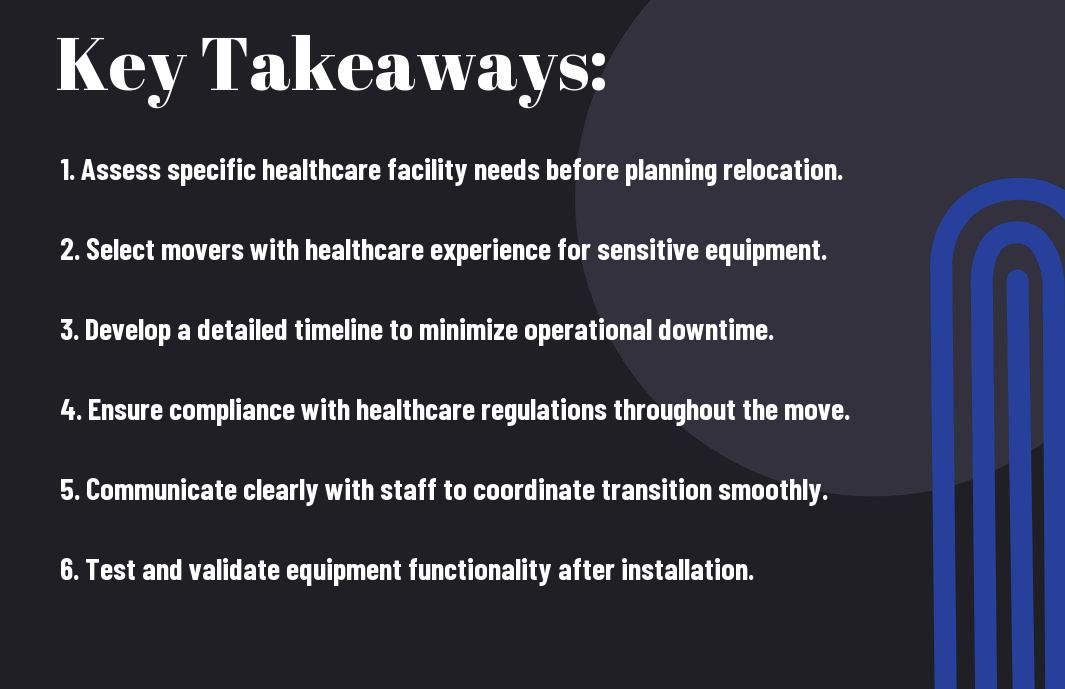
Most healthcare providers face unique challenges when relocating, making it imperative for you to approach this process strategically. Understanding the specifics of your needs, assessing your options, and selecting the right moving solutions can significantly impact your transition. In this blog post, we’ll guide you through a step-by-step approach to ensure a smooth relocation, allowing you to focus on what matters most—providing quality care for your patients. From planning to execution, you’re about to gain invaluable insights to facilitate your healthcare facility’s successful move.
Assessing Your Current Healthcare Infrastructure
Understanding your existing healthcare infrastructure lays the foundation for a seamless relocation process. Conduct a detailed analysis of your current facilities, including technology, resources, and staff workflows. Familiarize yourself with operational bottlenecks, outdated equipment, and compliance issues that may affect your new location. Frequent assessments not only highlight potential challenges but also inform strategic decisions that facilitate a successful transition.
Identifying Essential Services and Equipment
Begin by cataloging all vital services your facility provides and the corresponding equipment that supports them. This involves engaging with your teams to ensure all critical departments, from diagnostics to patient care, are considered. Prioritizing services that directly impact patient outcomes is vital, as this informs your relocation strategy and confirms that necessary resources are available in the new setting.
Evaluating Footprint and Space Requirements
Assess your current footprint by evaluating space utilization across departments. Consider factors such as patient volume, room types, and workflows to determine how much space is truly necessary in your new location. This analysis ensures that you have adequate room for current operations as well as future expansion. Additionally, examining correlations between space and efficiency can provide insights into optimizing layout for improved patient experiences and staff productivity.
Space evaluation should factor in not just the physical square footage but also specialty areas like surgical suites, diagnostic labs, and patient waiting areas. If your current setup leaves certain services cramped or under-resourced, consider how new designs can facilitate better patient flow and enhance operational efficiency. For example, a healthcare provider relocating from a facility with limited space may benefit from a larger surgical area that allows for advanced equipment and accommodates higher patient volumes. Prioritizing these requirements ensures your new location serves not just immediate needs but anticipates future growth as well.

Navigating Regulatory and Compliance Considerations
Addressing regulatory and compliance aspects is vital during a healthcare provider relocation. Proper navigation of these considerations ensures that your organization adheres to legal obligations while minimizing the risk of disruption to operations. Each state may have its own set of guidelines, and understanding them will save you from potential penalties and barriers as you implement your relocation plan.
Understanding State and Federal Regulations
Healthcare providers must comply with both state and federal regulations throughout the relocation process. Familiarizing yourself with the specific licensing requirements in your new location is vital. States may have unique protocols for transferring patient files, facility regulations, and operational permits. Being proactive in addressing these requirements helps in preventing delays and ensures smooth transitions.
Ensuring HIPAA Compliance During Relocation
Maintaining HIPAA compliance during relocation protects patient privacy, a non-negotiable aspect of healthcare operations. You need to assess how patient data will be handled, transported, and stored to ensure their security at all times. Develop a plan detailing secure procedures, such as using encrypted transport solutions and ensuring that any third-party moving services are HIPAA compliant as well.
Particularly when moving electronic health records (EHRs) or sensitive documents, establishing protocols for secure data transfer is vital. Using secure, encrypted software to migrate electronic files can prevent unauthorized access. Additionally, physical records should be packed in locked, secure containers. Implement employee training on HIPAA-related procedures before and during the move to reinforce the importance of maintaining patient confidentiality. These measures not only safeguard patient information but also exemplify your commitment to high standards of care during the relocation process.
Crafting a Comprehensive Relocation Strategy
When developing your relocation strategy, consider all aspects affecting the transition process. Your plan should encompass logistics, team assignments, communication methods, and risk management protocols. Establishing clear objectives and workflows increases the likelihood of a smooth move while minimizing disruption to patient care. Engage your team early in the planning process to ensure everyone is aligned and aware of their respective roles, facilitating collaboration and communication throughout the transition.
Timeline Development for Seamless Transition
Creating a detailed timeline is vital for maintaining order during your relocation. Break down the entire process into manageable phases, with milestones to track progress, and allocate sufficient time for each stage. Factor in time for planning, packing, transport, installation, and testing of new equipment. Aim for a timeline that allows flexibility, providing wiggle room for unexpected delays while keeping your focus on project completion.
Budgeting for Unexpected Costs
Budgeting for unexpected costs should be an integral part of your relocation strategy. Allocate a contingency fund, typically 10-20% of the overall budget, to cover unforeseen expenses. This can include last-minute changes, transportation issues, or additional equipment needs. By anticipating these potential setbacks, you safeguard your project against financial strain and ensure that vital aspects of the transition don’t suffer due to budget constraints.
Unexpected costs during a healthcare provider relocation can arise from various sources. For example, if you encounter delays in securing necessary permits or licenses, it could lead to increased costs for temporary facilities or additional staff hours. Equipment may require setup modifications in the new location, adding to your expenditure. Having a contingency budget allows you to address these challenges without compromising quality or service. Consider the specific risks associated with your unique relocation, and outline potential scenarios that could impact your finances. This strategic approach keeps your overall budget in check while enhancing the resilience of your relocation plan.
Engaging the Right Moving Partners
Finding the right moving partners ensures a smooth transition for your healthcare practice. As you engage with potential moving companies, seek those with relevant experience and a strong reputation in handling healthcare relocations. Look for providers who can show proficiency in moving medical equipment, adhering to regulations, and meeting the specific requirements of your facility. A strategic approach involves gathering recommendations, asking pointed questions about their experience with similar projects, and validating their expertise through client testimonials or case studies.
Identifying Specialized Healthcare Moving Companies
Specialized healthcare moving companies bring a wealth of expertise specifically tailored to healthcare providers. These firms understand the intricate nature of medical equipment, lab materials, and patient records. By selecting movers that specialize in healthcare relocation, you benefit from teams trained in handling sensitive items, ensuring compliance with various health regulations, and maintaining a focus on uninterrupted patient care throughout the transition.
Evaluating Credential and Insurance Requirements
Your chosen moving partner must meet strict credential and insurance requirements to ensure your relocation is covered from every angle. Seek verification that the company holds appropriate licensing, particularly for handling sensitive medical equipment. Additionally, confirm they have adequate insurance coverage, including liability insurance, to protect against potential damages during transit. This not only safeguards your assets but also lends credibility and assurance during the relocation process.
When evaluating the credentials and insurance requirements of potential movers, consider the specific regulations within your state and industry. Hospitals and healthcare providers often require companies to have specialized certifications, such as HIPAA compliance, to handle sensitive patient information securely. Request proof of insurance and evaluate the coverage limits offered; adequate coverage can mean the difference between financial loss and protection. For peace of mind, seek movers who can provide references from similarly regulated healthcare facilities, which demonstrates their ability to meet the unique needs of your relocation.
Communicating Change to Staff and Patients
Effectively communicating your relocation plans to both staff and patients is imperative for fostering understanding and minimizing disruption. Start by informing your team about the reasons behind the move, anticipated timelines, and how these changes can ultimately benefit the organization and patient care. For patients, ensure that timely updates are available across multiple platforms, including your website, social media, and newsletters, highlighting how their care will remain uninterrupted during the transition.
Creating an Effective Communication Plan
Your communication plan should outline key messages, preferred communication channels, and timelines for updates. Establish regular briefings for staff through meetings or emails to keep them informed about the relocation progress. For patients, create easy-to-understand materials detailing the transition process, ensuring all information is readily accessible to alleviate concerns about their care continuity.
Strategies for Maintaining Continuity of Care
Developing strategies to maintain continuity of care during relocation involves meticulous planning and coordination. Ensuring a seamless handover of patient records, training staff on new systems, and providing clear scheduling guidelines will help in mitigating any potential disruptions.
To enhance continuity of care, consider scheduling overlapping operational times at both the old and new locations, allowing staff to transition gradually. Leverage technology for real-time updates on patient records, making sure everyone involved has access to necessary information throughout the move. Engaging patients ahead of the relocation by educating them on new policies and location changes reinforces their trust and minimizes confusion. By focusing on these strategies, you’ll help safeguard a smooth transition, ensuring that both staff and patients feel supported during this period of change.
Final Words
The process of relocating your healthcare practice demands careful planning and the right choices. By following a step-by-step approach and selecting the right moving solutions, you can ensure a smooth transition that minimizes disruption to your services. Evaluate your needs, compare options, and seek professional advice to facilitate an organized move. Prioritizing efficiency and patient care will position you for success in your new location, allowing you to focus on what really matters—delivering exceptional healthcare to your patients.