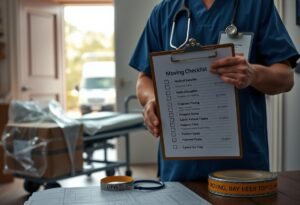

Over the course of your medical career, relocating may become a necessary step in advancing your practice or balancing personal needs. This guide gives you clear, actionable advice tailored to healthcare professionals moving cities-helping you transfer licenses, find housing near hospitals, and integrate smoothly into new work environments without disruption to your responsibilities or well-being.
Research Local Housing Markets
Understanding the local housing market helps you find a home that fits your budget and lifestyle. Look into average rental or purchase prices in areas near your hospital or clinic. Compare property listings, availability, and lease terms across neighborhoods to make an informed decision before signing any agreement.
Check neighborhood safety
You want to feel secure where you live. Review local crime statistics through official police reports or community websites. Talk to residents or healthcare colleagues already in the area. A safe neighborhood supports your well-being, especially after long shifts.
Evaluate commute times
Your daily commute affects your energy and punctuality. Measure travel time from potential homes to your workplace during peak hours. Consider traffic patterns, public transit reliability, and parking availability to avoid unnecessary stress.
Driving during morning and evening rush hours gives you a realistic sense of how long your commute will take. Public transit users should test routes on different days to account for delays or schedule changes. Living slightly farther from work might save money, but only if the extra travel time doesn’t drain your stamina. Choose proximity when possible to protect your rest and work-life balance.
Secure Necessary State Licensing
You must obtain the proper medical license before practicing in your new state. Each state has its own board with specific requirements for physicians and nurses. Start the process early, as applications can take weeks or months to process. Confirm whether your current credentials transfer or if you need to complete additional steps.
Verify board requirements
You need to check your new state’s medical or nursing board website for exact licensing criteria. Requirements vary widely-some states demand extra exams, while others require proof of continuing education. Make sure you understand the deadlines, fees, and documentation needed to avoid delays in starting your new role.
Submit background checks
Your new state will require a criminal background check as part of the licensing process. You typically need to schedule fingerprinting through an approved vendor or law enforcement agency. Submit this early, as processing times can slow down your overall application.
Background checks are standard and help ensure patient safety. You’ll likely need state and federal checks, especially if you’re handling controlled substances. Some states use third-party services for fingerprint collection-visit the board’s website to find authorized providers near you. Delays often happen when fingerprints are rejected, so follow instructions carefully to get it right the first time.
Explore Nearby Hospital Facilities
Knowing the hospitals near your new home helps you respond quickly in emergencies and supports professional collaboration. Visit nearby medical centers, learn their departments and referral processes, and note their proximity to your residence. Familiarity with facility layouts and staffing patterns improves your readiness, whether you’re on call or guiding a patient to care.
Locate trauma centers
You need to know where the nearest Level I and Level II trauma centers are, especially if you work in emergency or critical care. These facilities handle severe injuries and operate 24/7 with full surgical teams. Mapping their locations ensures you can act fast during life-threatening situations, whether for your patients or personal emergencies.
Identify specialized clinics
Specialized clinics offer targeted care in cardiology, neurology, oncology, and other fields. Find which ones are close to you and review their referral requirements and appointment availability. Building relationships with these clinics streamlines patient access and strengthens your ability to coordinate advanced treatments efficiently.
Specialized clinics often serve as key referral partners, particularly when managing complex or chronic conditions. You benefit from understanding which clinics have strong reputations, what insurance plans they accept, and how long wait times typically are. Some may offer telehealth options or multidisciplinary teams that enhance patient outcomes. Knowing these details allows you to make informed decisions and maintain continuity of care.
Join Local Professional Organizations
Connecting with local professional organizations strengthens your credibility and expands your network in the healthcare community. These groups offer access to job leads, continuing education, and mentorship opportunities. Being active locally helps you adapt faster and build relationships that support your clinical and career growth.
Medical society memberships
Joining your city or state medical society keeps you informed about regional regulations, licensing updates, and specialty-specific events. You gain access to peer support, advocacy resources, and local conferences that enhance your professional presence and clinical knowledge.
Nursing association chapters
Local nursing chapters connect you with peers who understand regional healthcare challenges. These groups often host skill-building workshops, policy discussions, and networking mixers tailored to nurses in your area, helping you integrate smoothly into your new work environment.
When you join a local nursing association chapter, you gain more than just a name on a roster. You become part of a support system that shares real-time insights on hospital cultures, staffing trends, and certification workshops nearby. Many chapters also advocate for nurse wellness and fair workplace policies, giving you a voice in shaping local standards. Regular meetings and volunteer opportunities allow you to form meaningful bonds with colleagues who can become long-term mentors or collaborators. Your involvement signals commitment-not just to your profession, but to the community you now serve.
Understand Regional Transit Options
Knowing how to move around your new city efficiently affects your daily routine and punctuality at work. Research the local transit systems early, whether buses, subways, or commuter rails, so you can plan reliable routes to and from your healthcare facility.
Public transportation routes
You can save time and reduce stress by mapping out key public transportation routes that connect your home to your hospital or clinic. Check schedules, peak hours, and transfer points to find the most direct and dependable path for your shifts.
Staff parking permits
Hospitals often require staff to obtain parking permits for access to employee lots. You should apply early, as spots may be limited and assigned on a first-come basis, especially in urban medical centers with high demand.
Securing a staff parking permit typically involves submitting a request through your employer’s facilities or HR department, sometimes with proof of employment and vehicle registration. Some hospitals offer tiered pricing based on shift times or proximity to the building. If permits are full, inquire about waitlists or satellite lots with shuttle service to ensure you have a reliable place to park.
Review State Tax Obligations
When relocating for a medical position, you must assess the tax environment of your new state. State tax rules vary widely and directly impact your take-home pay and long-term financial planning. Understanding these obligations helps you avoid surprises at tax time and ensures compliance from day one in your new role.
Income Tax Differences
Income tax differences between states can significantly affect your earnings. Some states have no income tax, while others impose high rates on healthcare professionals. You may also face different rules for retirement income, bonuses, or investment earnings. Research your new state’s tax brackets and filing requirements before your move.
Property Tax Assessments
Property tax assessments influence your housing costs if you plan to buy or rent a home. Rates vary by county and school district, and reassessments can change your annual bill. You should review local assessment records and appeal if the valuation seems too high compared to similar homes.
Local governments use property tax assessments to fund schools, emergency services, and infrastructure. Your home’s assessed value is determined by location, size, condition, and recent sales in your neighborhood. You receive this assessment annually, and it directly sets your tax liability. If you believe the valuation is inaccurate, you have the right to challenge it through your county assessor’s office, often with a formal review or hearing. Acting promptly can reduce your tax burden over time.
Locate Reliable Childcare Services
As a medical professional relocating with family, securing dependable childcare is one of your first priorities. Your demanding shift schedule means you need services that align with your hours and offer consistency. Start your search early to avoid last-minute stress and ensure a smooth transition for your children.
Research School Districts
You need schools that support your child’s development while fitting your work routine. Look into academic performance, extracurricular offerings, and start times. Proximity to your new hospital or clinic matters-commute time affects drop-off and pick-up feasibility. Choose a district that balances quality with practicality.
Find Daycare Centers
Daycare centers near your new workplace offer convenience during irregular shifts. Check licensing, staff-to-child ratios, and availability for infants through school-age kids. Read parent reviews and visit in person to assess safety and environment. A trustworthy center gives you peace of mind during long days on the floor.
When evaluating daycare centers, prioritize those with flexible hours and emergency care options-common needs for doctors and nurses working nights or weekends. Confirm whether they accept drop-ins or require long-term enrollment. Centers affiliated with hospitals or healthcare systems often understand medical schedules and may offer priority access to healthcare workers. Always verify background checks and training for staff.
Establish Local Banking Connections
Setting up banking in your new city streamlines daily life and ensures quick access to medical payrolls and local services. Local banks offer personalized support and faster resolution for issues like check deposits or loan requests. You’ll also find it easier to manage rent, utilities, and prescriptions with nearby branches and ATMs.
Open Checking Accounts
You need a local checking account to receive direct deposits from your hospital or clinic. Choose a bank with branches near your home or workplace for easy access. Bring your ID, employment contract, and Social Security number when you apply to avoid delays.
Transfer Existing Funds
Move your money from your old account with a simple electronic transfer or mobile deposit. Most banks complete transfers within one to three business days. Confirm the process with your new bank to ensure your funds arrive safely and on time.
When transferring existing funds, initiate the process as soon as your new account is active. Link your old and new accounts through online banking or use a third-party service if needed. Monitor both accounts during the transition to catch any discrepancies. Keep a small balance in your old account until all automatic payments switch over, then close it to avoid fees.
Update Professional Contact Information
Keep your credentials current by promptly updating your address, phone number, and email with all professional organizations, hospitals, and credentialing bodies. Accurate contact details ensure you receive important communications about licenses, renewals, and job opportunities without delay.
Notify Licensing Boards
Your state medical or nursing board must be informed of your new address. Failure to update your license information can delay renewals or result in penalties. Check each board’s specific requirements and submit changes online or by mail as soon as you relocate.
Revise Insurance Policies
Your malpractice and health insurance may need adjustments when moving to a new state. Coverage terms often vary by location, and some policies may not extend to your new city. Contact your provider to confirm your protection remains active and meets local standards.
Insurance requirements differ across states, especially for malpractice coverage. Some states mandate higher liability limits or specific endorsements. Review your current policy with your insurer to ensure full compliance and uninterrupted coverage. Update beneficiaries, premiums, and contact details to reflect your new practice location and personal circumstances.
Summing up
As a reminder, you now have the tools to transition smoothly into your new city. Research your neighborhood, update licenses promptly, connect with local healthcare networks, and prioritize housing near your workplace. Plan for weather changes, set up utilities early, and involve your family in the move. Stay organized, keep records accessible, and allow time to adjust-your success in a new environment starts with thoughtful preparation.