

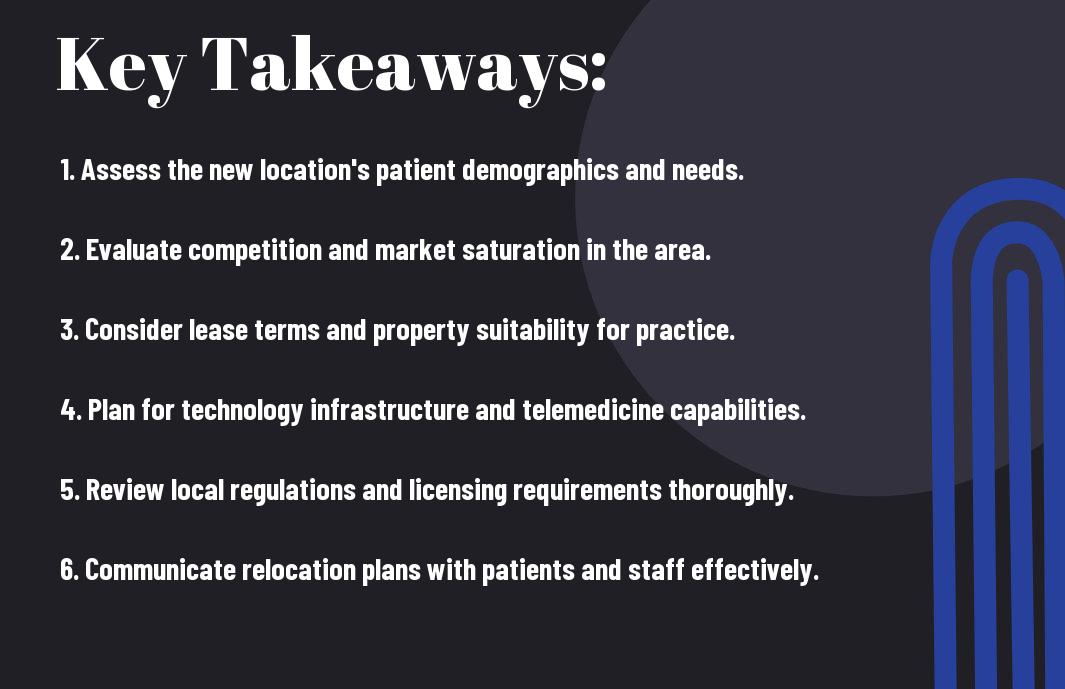
When contemplating the relocation of your medical practice, a myriad of factors must be meticulously evaluated to ensure a seamless transition. From patient accessibility and compliance with healthcare regulations to logistical challenges and financial implications, each element plays a vital role in your practice’s success. This comprehensive checklist will guide you through vital considerations that will help you make informed decisions every step of the way.
Pre-Relocation Planning
The pre-relocation planning phase is crucial for ensuring a smooth transition for your medical practice. Begin by outlining your goals and objectives for the move, and assess both your current and future needs. By carefully evaluating your resources, staff, and patient demographics, you can make informed decisions that will benefit your practice in the long term.
Assessing Current Practice Needs
For a successful relocation, you need to evaluate the current needs of your practice. This includes understanding your patient volume, the services you offer, and the size of your staff. An accurate assessment will allow you to identify what requirements must be met in your new location, ensuring that your practice continues to thrive.
Understanding Legal and Regulatory Requirements
Beside evaluating your practice needs, it’s crucial to understand the legal and regulatory requirements associated with relocating your medical practice. This involves researching any zoning laws, permitting processes, and compliance issues specific to your state and local area.
In addition, you must consider how your move affects your licensing, insurance, and any contractual obligations. Each state has different regulations affecting medical practices, so consulting with a legal expert who specializes in healthcare can provide valuable insights. Ensuring you meet all legal requirements can prevent costly delays and issues down the line, allowing you to focus more on your patients and less on potential legal complications.
Location Selection
Even the most skilled practitioners can face challenges if their medical practice is located in an unsuitable area. Selecting the right location is crucial for both operational success and patient satisfaction. You’ll need to carefully consider factors such as competition, visibility, and the implications of local regulations when determining the ideal site for your new practice.
Evaluating Potential Areas
For effective relocation, you should evaluate potential areas based on criteria like market demand, local healthcare facilities, and community health needs. Take the time to research and visit neighborhoods that align with your practice’s specialties. Engaging with local stakeholders and exploring future development plans can also provide valuable insights into whether an area meets your long-term goals.
Patient Accessibility and Demographics
Selection of your new practice location should prioritize patient accessibility and community demographics. Understanding who your patients are and their healthcare needs will help guide your decision-making process.
Potential patients’ accessibility is key to ensuring that your practice remains convenient and welcoming. Analyze factors such as public transportation options, parking availability, and foot traffic in your chosen area. Additionally, reviewing demographic data will provide insights into population density, age distributions, and socioeconomic factors that can influence your patient base and service offerings. This comprehensive understanding will enable you to tailor your services and marketing strategies effectively, ultimately enhancing patient satisfaction and loyalty.

Financial Considerations
Despite the excitement of relocating your medical practice, the financial implications can be significant. Understanding your budget and the potential costs involved is vital to ensuring a smooth transition. From leasing new space to investing in renovations, considering these financial impacts will help you make well-informed decisions for your practice’s future.
Budgeting for Relocation Costs
With many expenses associated with relocating, such as moving fees, equipment transport, and new signage, it is vital to create a detailed budget ahead of time. Estimate each cost and provide a buffer for unexpected expenses, ensuring you allocate adequate resources to cover the financial demands of the move.
Understanding Market Trends
Before finalizing your relocation, analyze the market trends in your new area, as these can directly affect your practice’s success. Investigating demographics, income levels, and competition will provide valuable insights into the viability of your new location and help you strategize effectively.
Market trends play an integral role in the decision-making process when relocating your medical practice. You should assess not only the demographics of your potential patient base but also the overall economic health of the area. Understanding the competition and their offerings can inform your services and pricing. Additionally, keeping an eye on local healthcare regulations and insurance contracts will ensure your practice remains compliant and competitive in your new environment.
Infrastructure and Facilities
Your new office location should have adequate infrastructure and facilities to support your medical practice. This includes considering the layout of waiting areas, examination rooms, and administrative spaces. Evaluating accessibility for both patients and staff is crucial, as it contributes to a smooth workflow and patient experience. Ensure that the building meets health and safety regulations and has adequate parking and transportation access to make it convenient for everyone involved.
Space Requirements
Among the primary considerations when relocating is the space requirements for your practice. Analyze the size of the new facility to ensure it accommodates rooms for examinations, procedures, waiting areas, and administrative offices. Think about future growth when determining the adequate size, as well as the needs of your team and patients. Sufficient storage space for medical supplies and equipment is also necessary to maintain an organized and efficient practice.
Technology and Equipment Needs
Equipment plays a significant role in the relocation of your medical practice, as it directly affects the services you provide. Assess your current technology and assess whether it can be moved and integrated into your new location. Consider investing in new tools that may improve efficiency or better meet the needs of your patients. Ensure the facility can support any necessary upgrades, such as sufficient electrical outlets and network infrastructure.
A comprehensive evaluation of your technology and equipment needs will ensure a seamless transition into your new space. This includes understanding the requirements for your electronic health record (EHR) system, medical devices, and any other tech innovations that enhance patient care. It’s crucial to confirm that the new facility can support reliable internet access and the necessary infrastructure for telehealth services if applicable. Planning for your equipment logistics and installation will also minimize downtime and disruptions in service during the move.
Staff Communication and Transition
After deciding to relocate your medical practice, effective communication with your staff is paramount. Keeping them informed about the move can significantly alleviate anxiety and foster a sense of teamwork. Ensure you provide frequent updates on the transition process, address any concerns they may have, and emphasize the benefits of the new location. This approach helps maintain morale and encourages a smoother transition for everyone involved.
Involving Staff in the Process
On the journey to relocating your practice, it’s imperative to involve your staff in the planning process. This inclusion not only boosts their morale but also taps into their insights and perspectives—it can improve the overall transition strategy. Seek their input on logistical matters and encourage their collaboration in shaping the new environment, creating a sense of ownership and commitment to the change.
Training for New Systems and Protocols
With the transition to a new location, it’s vital to provide appropriate training for any new systems and protocols that will be implemented. This ensures that your staff feels confident and equipped to adapt to the changes that come with the relocation.
Hence, invest time in developing a comprehensive training schedule that covers imperative aspects of your practice’s new operational systems. Consider hands-on workshops, online training modules, or even inviting external experts to guide your staff. This commitment not only facilitates a seamless transition but also empowers your team, leading to better patient care and enhanced collaboration in your new environment.
Marketing and Patient Retention
All aspects of marketing and patient retention are vital when relocating your medical practice. You should focus on maintaining communication with your existing patients while also implementing strategies to attract new clientele in your new location. A well-planned approach will help you build loyalty and ensure a steady flow of patients during and after your move.
Informing Existing Patients
On relocating your practice, it’s important to inform your existing patients about the change. Utilize effective communication channels such as emails, newsletters, and in-office announcements to provide details about the new address, upcoming dates, and any changes in services. This transparency not only reassures your patients but also reinforces trust in your practice.
Strategies for Attracting New Patients
Beside focusing on existing patients, you should also implement targeted strategies to attract new patients to your new location. This includes leveraging online marketing, local community events, and collaborations with other healthcare providers to establish a presence in your new area.
Hence, to successfully attract new patients, consider utilizing digital marketing strategies like social media advertising, search engine optimization (SEO), and pay-per-click campaigns. You can also engage in community outreach programs or health fairs to connect with potential patients directly. Building strong relationships with local businesses and hospitals can create referral opportunities, enhancing your practice’s visibility and appeal in the new community.
Final Words
Conclusively, as you initiate on relocating your medical practice, it’s vital to follow a comprehensive checklist that addresses every aspect of the transition. Focus on factors such as location, patient demographics, and the infrastructure of your new facility to ensure a smooth move that supports your ongoing success. By thoroughly planning and considering each element, you will not only facilitate an effective relocation but also enhance patient satisfaction and maintain your practice’s reputation in the community.