

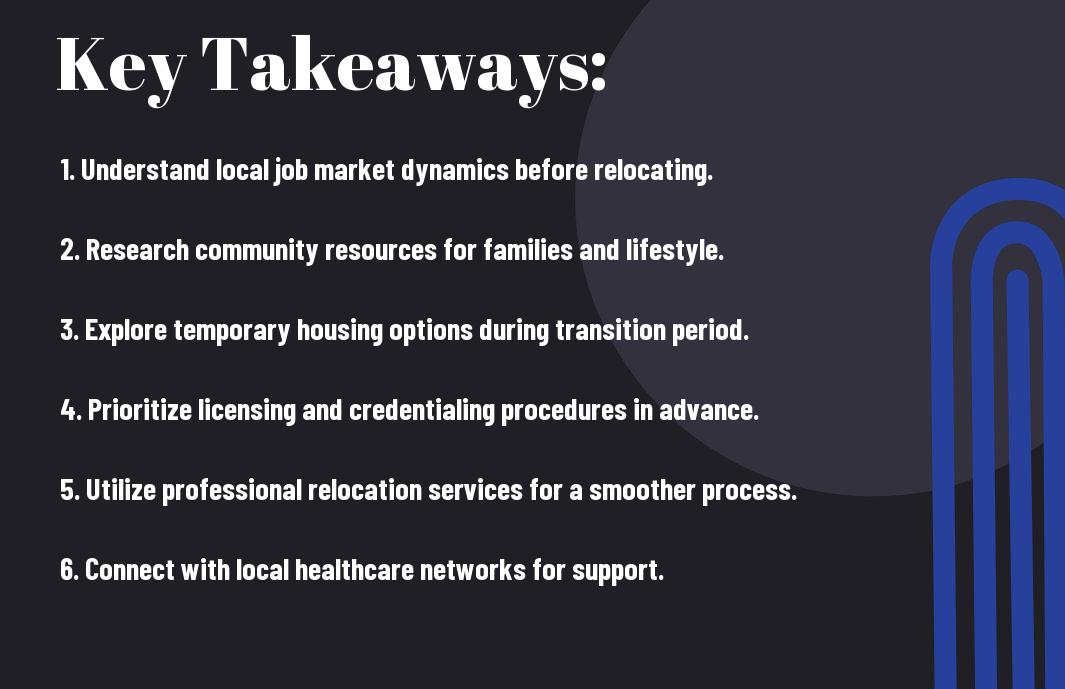
There’s a unique set of challenges you face when relocating as a healthcare provider, from finding a suitable neighborhood to managing the complexities of transferring your practice. Understanding these obstacles is important for a smooth transition, whether you’re moving across town or to a different state. In this blog post, we’ll explore effective moving solutions tailored specifically for healthcare professionals, helping you streamline the process and focus on what truly matters—your patients and your new role.
Understanding the Physician Relocation Process
The physician relocation process involves various steps that require careful planning and consideration. You must evaluate your professional opportunities, personal circumstances, and logistical arrangements. Effective relocation doesn’t just mean moving; it also involves transitioning smoothly into your new role and environment. It’s important to engage in thorough research, networking, and pre-move planning to ensure a successful transition to your new location.
Key Factors in Choosing a New Location
Beside professional opportunities, there are several factors to consider when choosing a new location for your practice. You should assess:
- Cost of living
- Quality of schools and education
- Community and lifestyle offerings
- Healthcare infrastructure
- Proximity to family and friends
Any of these can affect your satisfaction and well-being in the new environment.
The Impact of Location on Career Advancement
Location plays a significant role in your career advancement as a healthcare provider. The availability of professional networks, mentorship opportunities, and clinical resources often varies by area. Additionally, certain regions may offer more advanced facilities and specialties, contributing positively to your professional development.
Considering the implications of your new location on your career trajectory is important. Being in an area with a strong healthcare community can open doors to collaboration, research opportunities, and continuing education. The right environment can also enhance your reputation and visibility within the medical field, ultimately shaping your professional future in meaningful ways.
Financial Considerations for Relocating Physicians
If you are a physician considering relocation, understanding the financial implications is imperative. Factors such as salary adjustments, benefits packages, and local tax rates can significantly impact your overall financial health. Evaluating these elements helps ensure a seamless transition and avoids unpleasant surprises in your new position.
Cost of Living Adjustments
One key factor to assess is the cost of living adjustments. Variations in housing prices, transportation costs, and everyday expenses can significantly affect your quality of life. By comparing your current location to your potential new home, you can better understand how far your salary will stretch in the new environment.
Moving Expenses and Reimbursement Options
Considerations for moving expenses and reimbursement options are vital when planning your relocation. Many healthcare institutions offer relocation packages that help offset costs associated with your move, such as hiring movers or temporary housing. Understanding what expenses are covered will enable you to budget effectively and minimize any financial burden during your transition.
Indeed, having clarity on moving expenses and reimbursement options simplifies your financial planning. Most hospitals or practices have specific policies detailing what is reimbursable, including packing supplies, transportation, and even storage options. Make sure to gather all relevant information beforehand, as some employers require proof of expenses or may have a cap on reimbursement amounts. Knowledge of these details will empower you to make informed decisions when planning your relocation.
Navigating Licensing and Credentialing Requirements
To successfully relocate as a healthcare provider, you must navigate the complex landscape of licensing and credentialing requirements specific to your new location. Each state has its own regulations, which can significantly impact your ability to practice medicine. Understanding these various requirements ahead of time will help streamline your transition and ensure compliance, allowing you to focus on your patients and career ahead.
State Licensure Differences
Against the backdrop of a national healthcare system, each state enforces unique licensure requirements that can include varying examination protocols and specific continuing education obligations. It is vital to research and become familiar with the licensing process in your new state to avoid any disruption in your ability to practice.
Credentialing Processes at New Healthcare Facilities
One of the integral steps after relocating is navigating the credentialing process at your new healthcare facility. This process ensures you are qualified to provide care within the organization’s standards and adheres to relevant regulations.
It typically involves submitting proof of education, training, work history, and any licenses or certifications you hold. You may also need to provide references and undergo background checks. The credentialing process can range from a few weeks to several months, depending on the facility and the complexity of your qualifications. Being prepared with all necessary documentation can expedite this process and help you begin your new role without unnecessary delays.

Family Considerations in Physician Relocation
After making the decision to relocate for your medical career, it’s important to consider how this move will affect your family. A successful transition relies not just on professional opportunities but also on ensuring that your spouse and children feel supported and valued in the new environment. Assessing the lifestyle changes, community amenities, and educational options available will help your family adjust and thrive in this new chapter of your lives.
Spousal Employment Opportunities
With the potential disruption that relocation can bring, evaluating spousal employment opportunities is crucial. Many healthcare providers may have partners who also seek professional engagement, and exploring local job markets can alleviate some of the stress associated with moving. Connecting with local networks and job support resources can aid in your spouse’s job search and ensure their career goals are prioritized during this relocation.
Education and Community Resources for Children
An crucial aspect of relocation is ensuring that your children have access to quality education and community resources. Understanding the local school systems, extracurricular activities, and support services available can contribute to a smooth transition for your family. You want to provide your children with opportunities to thrive in their new environment, so take the time to research and connect with educational institutions and community centers before you move.
To assist your children in settling into a new community, explore various educational institutions and extracurricular options in the area you’re moving to. Taking a proactive approach by reaching out to local parents, reviewing school rankings, and visiting potential schools can help you make informed decisions. Don’t overlook community groups and activities such as sports teams, arts programs, or clubs that can foster social connections and enhance your children’s integration into their new surroundings.
Finding Housing and Community Integration
Once again, securing suitable housing in a new community is a vital step in your relocation journey. Start by researching neighborhoods that align with your lifestyle, work location, and family needs. Engage in local forums or social media groups to gain insights into potential areas. Connecting with local resources can help ease your transition and foster community integration as you settle into your new role.
Temporary Housing Solutions
Below are a few options you can consider to secure temporary housing while searching for a permanent home. Short-term rentals, such as Airbnb or serviced apartments, offer flexible leases that suit your immediate needs. Local real estate offices may also provide assistance with short-term rentals or sublets. Additionally, consider reaching out to colleagues for recommendations on nearby accommodations.
Building a Support Network in a New Area
Support systems are fundamental in facilitating your adjustment to a new environment. Engage with local professional organizations, attend community events, and connect with fellow healthcare providers in your field. Making connections can not only help you find friends but also give you access to valuable local knowledge and resources.
For instance, joining local groups focused on outdoor activities or volunteering can be excellent ways to meet like-minded individuals. Consider attending meet-ups, classes, or workshops related to your interests. Whether through professional associations or social outings, these connections can enhance your well-being and comfort in your new community.
Strategies for a Smooth Transition in Practice
Many healthcare providers face unique challenges during the relocation process, particularly in ensuring a seamless transition in their clinical practice. To minimize disruptions, you should prioritize strategic planning, effective communication, and relationship building within your new environment. These actions will help you maintain continuity of care and foster a supportive network in your new location.
Communicating with Current Patients
Any transition can raise concerns for your existing patients. It is crucial to communicate your move clearly and empathetically. Inform them about your relocation, the reasons behind it, and how their care will be managed during the transition. Consider providing a list of referral options in the new area, assuring them of continued support and care.
Establishing Relationships in the New Practice Setting
By actively engaging with colleagues in your new practice environment, you can pave the way for strong professional relationships. Attend social gatherings, join team meetings, and participate in community events to foster connections. Building rapport with your peers will not only enhance your integration but may also lead to collaborative opportunities that benefit your patients.
Plus, establishing relationships does not only enhance your professional network; it also contributes to a sense of belonging in your new setting. By seeking mentorship from experienced colleagues and offering your expertise, you create a reciprocal environment of support and collaboration. Engaging with staff in both clinical and administrative roles will empower you to navigate the new practice dynamics effectively, leading to an overall positive experience for both you and your patients.
Summing up
Conclusively, navigating the challenges of physician relocation requires careful planning and informed decision-making. As you initiate on this journey, consider the necessary moving solutions tailored specifically for healthcare providers. Streamlining logistics, understanding the local healthcare landscape, and addressing personal needs will significantly ease your transition. By focusing on these key areas, you can ensure a smooth relocation process that allows you to concentrate on what truly matters—providing exceptional care to your new community.