
Most aspiring medical practitioners underestimate the impact of location on the success of their practice. Selecting the right site is a key factor that can influence patient footfall, accessibility, and overall operational efficiency. In this guide, you will learn how to assess various locations based on demographics, competition, and community needs, ensuring that your new practice thrives in an optimal environment. With the right strategies in place, you can set yourself up for long-term success and solidify your reputation in the medical community.

Unpacking the Demographics of Your Ideal Patient
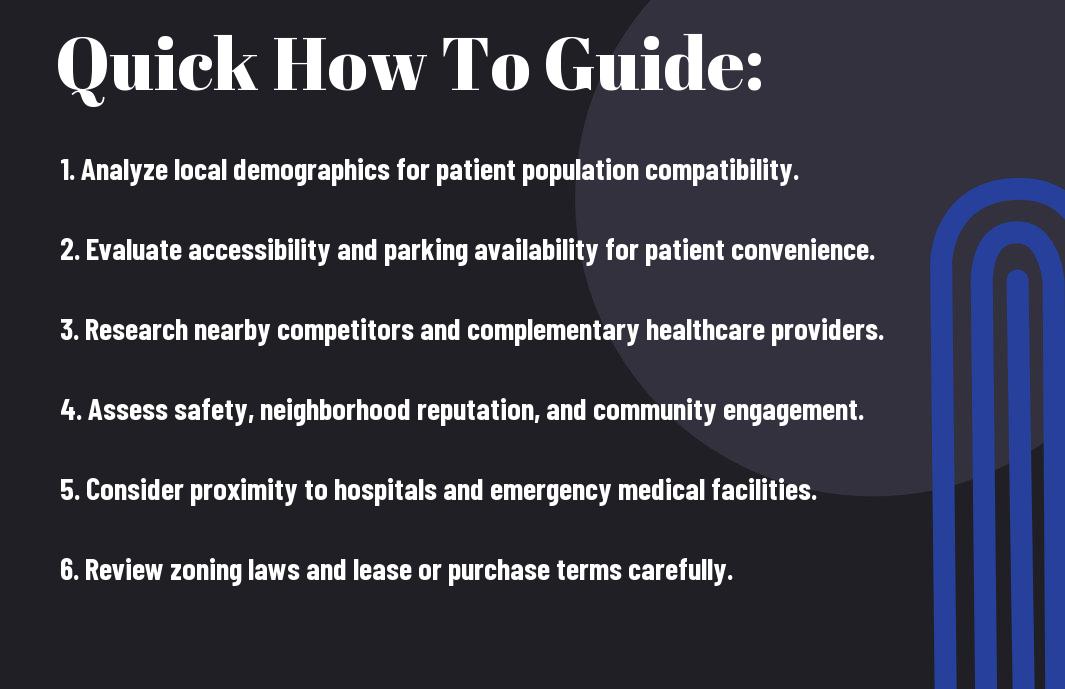
Diving deep into the demographics of your ideal patient allows you to tailor your services and marketing strategies effectively. Consider factors such as age, gender, income level, and education to create a clear profile of the individuals you aim to serve. Understanding these demographics helps in choosing the right location, designing your clinic’s services, and even crafting targeted advertising campaigns that resonate with your patient base.
Identifying Target Patient Profiles
Creating detailed patient profiles involves segmenting your potential clientele based on specific characteristics. Analyze local population data and consider factors like lifestyle, income, and healthcare preferences. This targeted approach empowers you to align your services more closely with the needs of the community, leading to greater patient satisfaction and loyalty.
Assessing Local Population Health Needs
Evaluating the health needs of the local population is vital in establishing a successful practice. This means looking at prevalent health issues in the area, such as diabetes, obesity, or mental health challenges. Use existing health statistics, community health needs assessments, and surveys to gather data. By understanding these needs, you can identify service gaps and develop offerings that not only meet demand but also contribute positively to community health outcomes.
To gain a comprehensive view of local health needs, collaborate with local health departments, hospitals, and community organizations. Attend town hall meetings or health fairs to gain insights into persistent health concerns. Consider using tools like the Behavioral Risk Factor Surveillance System (BRFSS) or the National Vital Statistics Reports for up-to-date data. Armed with this knowledge, you’ll not only position your practice strategically but also play a pivotal role in improving the overall health landscape of your community.
The Economic Landscape: Analyzing Competition and Market Demand
Understanding the economic landscape of your intended location is imperative in shaping your medical practice’s strategy. By analyzing competition and market demand, you can identify viable opportunities for growth and determine how best to position your services to meet community needs effectively.
Evaluating Existing Medical Practices in the Area
Take the time to assess medical practices already established in the area. Look for their specializations, patient volumes, and reputation within the community. This insight allows you to identify gaps in service, potential opportunities for collaboration, and areas where you can differentiate your practice to attract more patients.
Understanding the Pricing Strategies for Services Offered
The pricing strategies of existing practices offer valuable insights into how you should set your own rates. Research various service fees in the area and assess what patients are willing to pay. Effective pricing not only takes into account competition but also reflects the value of your expertise and the quality of care you provide.
When evaluating pricing strategies, consider the balance between competitive pricing and the high quality of services you aim to offer. For example, a practice that charges significantly less may attract budget-conscious patients, but may also lead to perceived lower quality. Alternatively, a premium pricing model, when justified by exceptional service and outcomes, can position your practice as a leader in patient care. Analyze how competitors communicate their pricing to patients, and think of creative ways to package services that reflect both value and affordability, ensuring lasting patient trust and loyalty.
Accessibility and Visibility: Key Factors in Location Choice
Location is more than just a point on a map; it’s about how easily patients can reach you and how well they can see your practice. Accessibility and visibility serve as critical components in drawing in new patients. A practice located in a high-traffic area can significantly enhance your patient base by ensuring you are seen and easily accessed.
- Proximity to public transport options matters.
- Consideration for wheelchair access is crucial.
- Visibility from main roads and intersections boosts awareness.
- Evaluate availability and convenience of parking facilities.
After selecting your location, remember that these factors can directly influence patient satisfaction and retention.
Importance of Transportation and Parking Availability
Patients often weigh transportation options and parking availability heavily in their decision to choose your practice. If your location is easily reachable by public transport or provides ample parking, you’ll likely see higher foot traffic. In areas with heavy congestion or limited parking, the inverse is true. Introducing a waiting area for patients who might be coming from afar can also be beneficial.
The Role of Signage and Local Foot Traffic
Strong signage and the presence of local foot traffic can enhance your practice’s visibility and market reach. Signage should not only be clear and inviting but also comply with local regulations. Strategic placement of signs can guide potential patients right to your door, while high foot traffic areas provide organic exposure to new clientele.
With a well-placed sign near busy intersections or close to popular businesses like grocery stores, you can attract attention from both pedestrians and vehicles alike. In fact, studies show that businesses with effective signage can increase sales by as much as 20%. Additionally, creating an eye-catching display can turn passersby into new patients, particularly if they notice your practice during their daily routines. Utilize window displays that reflect your brand and engage the community, making your practice a familiar sight.
Legal and Regulatory Considerations Impacting Site Selection
The legal and regulatory landscape surrounding medical practices can significantly impact your site selection process. Understanding local, state, and federal regulations ensures not only compliance but also safeguards your practice against potential legal hurdles down the line. From zoning laws to healthcare regulations, familiarizing yourself with these requirements can streamline the establishment of your new medical facility while avoiding costly setbacks.
Navigating Zoning Laws and Licensing Requirements
Zoning laws specify the types of activities permitted in certain areas, directly affecting where you can establish your practice. You’ll need to consult with local zoning boards to verify if your desired location allows for medical service operations. Additionally, check licensing requirements specific to your profession and practice type, as these can vary by jurisdiction and significantly influence your decision-making process.
Understanding Healthcare Regulations and Compliance
Healthcare regulations encompass a wide array of rules governing patient care, safety, and privacy. Familiarity with the Health Insurance Portability and Accountability Act (HIPAA), for instance, is crucial as it dictates how patient information should be handled and stored. Compliance with these regulations not only protects patient rights but also ensures that your practice avoids penalties and legal issues that could arise from non-compliance. For example, failing to meet the standards set forth by the Centers for Medicare & Medicaid Services (CMS) can jeopardize your ability to receive reimbursement for services rendered, affecting your bottom line. Prioritizing these considerations in the site selection phase will lead to a more stable and compliant practice.
Building the Perfect Location: Choosing the Right Facility
Your facility plays an crucial role in delivering quality patient care, so selecting the right space is vital. Consider the physical characteristics of each potential location, including the size, amenities, and the overall atmosphere. A well-thought-out facility should not only reflect your practice’s brand but also facilitate a comfortable environment for both patients and staff. Look for locations that can enhance your operational efficiency while providing the necessary infrastructure, such as proper exam rooms, waiting areas, and convenient access for all your patients.
Assessing Space Requirements and Layout for Services
Evaluate how much space your practice requires based on the services you provide. Take into account the number of exam rooms, treatment areas, and staff offices necessary for smooth operations. A well-planned layout can enhance workflow efficiency, reducing patient wait times and ensuring staff can collaborate effectively. You might find it beneficial to collaborate with architects or design experts who specialize in healthcare facilities to optimize the patient experience.
Considering Future Expansion and Growth Opportunities
Envisioning your practice’s future is as vital as assessing your current needs. Select a location that allows room for growth, whether that’s through expanding your services or increasing the number of patients you cater to. Many successful practices begin in smaller spaces but quickly outgrow their original facilities. Look for options with potential for additional rooms or the ability to adapt easily to new services, helping you stay ahead in a competitive market.
Planning for future expansion involves more than just physical space; it encompasses a strategic vision. Evaluate the surrounding market, patient demographics, and potential partnerships within the community. For instance, if you’re situated in a rapidly growing area, you may anticipate increased demand for your services. Additionally, consider the feasibility of remote services or telemedicine setups, which could require fewer physical resources but still allow your practice to reach a broader audience. By preparing for growth early, you position yourself to better meet patient needs as they evolve.
Summing up
Upon reflecting, the significance of selecting the right location for your new medical practice cannot be overstated. A well-chosen site not only enhances patient access but also influences your practice’s growth and reputation. By evaluating factors such as demographics, competition, and visibility, you can make an informed decision that aligns with your goals. Engaging with the community and understanding their needs will further establish your practice’s relevance and success. Ultimately, investing time and effort in this vital aspect will lay the foundation for a flourishing medical career.