You face unique challenges when relocating as a healthcare provider, but with the right guidance, you can navigate this transition seamlessly. This handbook serves as your comprehensive resource, offering practical tips and necessary insights to streamline your move. From understanding licensing requirements to finding the right community, you will learn how to make informed decisions that support your career and lifestyle changes. Equip yourself with the knowledge you need for a successful relocation experience that meets both your professional and personal needs.
Understanding Relocation Challenges
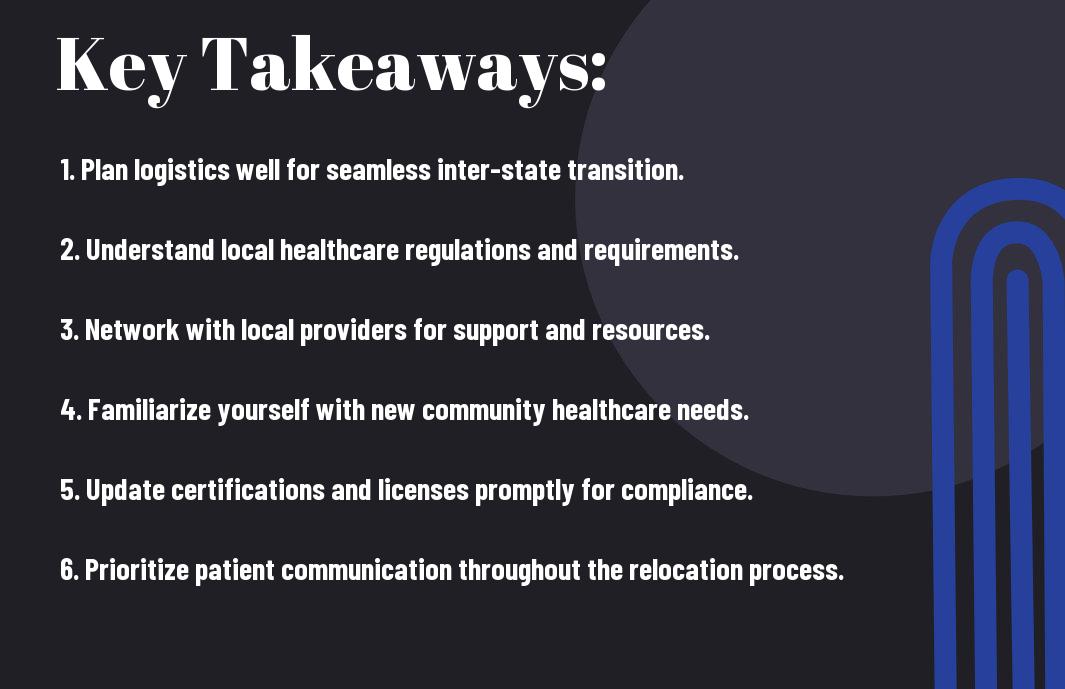
As you initiate on your relocation journey, it’s important to recognize the numerous challenges that may arise. From navigating varying state regulations to adjusting to new practice environments, being prepared can greatly ease this transition. Understanding these hurdles ensures that you can tackle them head-on and continue providing top-notch care to your patients, no matter where you set up your practice.
Legal and Regulatory Considerations
On your path to relocation, you must pay close attention to the legal and regulatory landscape of your new state. Each state has its own set of healthcare laws, which can affect everything from patient care protocols to operational compliance. Understanding these regulations ahead of time will help you avoid potential pitfalls and streamline your transition process.
Licensing Requirements Across States
To practice legally in your new state, you must familiarize yourself with the specific licensing requirements that apply there. These can vary significantly from state to state, which may include additional exams, background checks, or other documentation. Ensuring you meet these requirements will help you begin practicing as soon as possible and continue to serve your patients without disruption.
At the outset of your move, it’s advisable to check with the state’s medical board for detailed licensing requirements. Some states may offer reciprocity agreements, recognizing licenses from specific jurisdictions, while others may not. You may need to prepare for additional exams or complete continuing education courses to qualify. Understanding these nuances early will help you create a strategic plan for obtaining your new license, allowing you to focus on your practice and your patients once settled in.

Preparing for the Move
There’s a lot to consider when planning your relocation. You need to evaluate your new working environment and community, create timelines, and ensure all necessary documents are ready. Doing this will help you transition more effectively into your new role and home.
Checklist for a Successful Relocation
After you decide to move, it’s important to create a detailed checklist to guide you through the process. Begin by listing all tasks you need to accomplish, from securing housing and notifying your current employer to arranging for transportation and scheduling utilities in your new location.
Financial Planning and Budgeting
Along with checklist creation, solid financial planning and budgeting should accompany your move. Understanding the costs associated with the relocation helps you manage expenses more effectively, easing the burden as you transition to a new job.
Move beyond just estimating your moving costs; consider additional expenses such as temporary housing, travel, and utility setup fees. It’s wise to create a detailed budget that accounts for both one-time moving costs and ongoing expenses in your new area. This will allow you to navigate any unexpected financial challenges while maintaining stability during this significant life change.
Establishing Your New Practice Location
Your success in a new healthcare environment significantly depends on choosing the right practice location. Conducting effective market research will help you understand the local community’s healthcare needs, ensuring that your services align with their expectations. This step is necessary for building a loyal patient base and establishing your reputation in the area.
Market Research and Community Assessment
Below, you will find tools and techniques to conduct thorough market research and assess community healthcare needs. Engaging with local organizations, analyzing demographic data, and evaluating existing healthcare services will provide valuable insights into how your practice can fill service gaps while meeting the community’s demands.
Ideal Practice Location and Facility Considerations
Across your search for the ideal practice location, consider factors such as accessibility, visibility, and proximity to other necessary services. The right facility should also offer adequate space for your services and be conducive to a welcoming patient experience. Examining parking availability and public transportation options will further enhance accessibility for your patients.
Understanding the nuances of your ideal practice location goes beyond selecting a site on a map. Evaluate local competition, patient demographics, and community needs to identify where your practice can thrive. Additionally, consider the physical structure of the facility; it should support your operational requirements and allow for future growth. By aligning your location with the community’s healthcare demands and ensuring your facility meets functional needs, you can create a practice that fosters patient trust and satisfaction.
Navigating Insurance and Billing Practices
Despite the complexities of healthcare insurance and billing, mastering these systems is vital for your smooth relocation. Understanding the local insurance landscape will not only enhance your practice’s accessibility but also ensure a seamless transition for your patients. Familiarizing yourself with diverse policies and billing practices will equip you to navigate potential hurdles effectively, minimizing disruptions in care delivery.
Working with Insurance Providers
Besides developing strong relationships with insurance providers, you should stay informed about their specific requirements and procedures. This understanding will help you streamline the process of claims submission and authorization, reducing delays and potential conflicts. Proactive communication with these providers will serve as a foundation for efficient patient care.
Adapting to Local Billing Practices
For a smooth transition, adapting your billing practices to align with local standards is important. Each region may have unique billing codes, payment terms, and patient expectations, which necessitates an adjustment of your procedures to meet these local norms.
Indeed, local billing practices can vary significantly, impacting everything from payment timelines to patient interactions. By researching area-specific billing codes and adhering to common payment structures, you can enhance efficiency and reduce confusion. Engaging with local professionals or joining regional healthcare associations can provide valuable insights into these practices. This proactive approach will not only facilitate quicker reimbursements but also improve your reputation among patients who appreciate an organized and responsive billing system.
Staffing and Human Resources
To ensure a seamless relocation for your healthcare facility, it is necessary to have a robust staffing and human resources strategy. This plan should focus on understanding the local labor market, building strong connections with schools and community organizations, and defining clear expectations for your new team. By prioritizing these elements, you can attract and retain top talent that aligns with your organization’s values and mission.
Recruiting Local Talent
About understanding the local healthcare landscape is vital for effectively recruiting talent. Engage with community groups and educational institutions to identify promising candidates. Consider hosting job fairs and offering internships or shadowing opportunities to create a pipeline of skilled professionals who can contribute to your healthcare facility.
Training and Integration of New Employees
An effective onboarding process is key for the successful integration of new employees. Create a structured training program that not only covers necessary skills and knowledge but also fosters a sense of belonging within your organization. This approach will help employees feel equipped and confident as they transition into their new roles, enhancing overall job satisfaction and team cohesion.
Employees often experience a range of emotions when starting a new position. To facilitate a positive experience, implement mentorship programs that pair new hires with seasoned staff. Provide ongoing support through regular feedback sessions and create opportunities for team-building activities, allowing new team members to build relationships with their colleagues. This comprehensive training and integration strategy will ultimately lead to a more engaged and productive workforce, benefiting your entire healthcare facility.
Marketing Your New Practice
Many healthcare providers overlook the importance of strategic marketing during their relocation. Promoting your new practice effectively can help you attract new patients and establish your presence in the community. By utilizing various marketing channels and approaches, you can create awareness about your services, build trust, and engage with prospective patients, ensuring that your transition is as smooth as possible.
Building a Local Patient Base
Local community engagement is key to building a patient base. Establishing relationships with residents and local businesses can help you cultivate trust and encourage referrals. Participate in community events, offer free health seminars, and collaborate with local organizations to introduce your practice, showcasing your services while fostering connections with the people you aim to serve.
Strategies for Effective Community Engagement
Strategies for effective community engagement can significantly enhance your practice’s visibility and reputation. Focus on targeted outreach, participate in local events, and leverage social media to communicate with potential patients. Collaborating with community organizations, schools, and businesses allows you to show that your commitment extends beyond the walls of your practice, contributing positively to the health and wellness of the community.
The key to successful community engagement lies in authenticity and consistency. Share valuable information through newsletters, social media posts, and workshops that resonate with local needs and interests. Consider partnering with local health fairs, sports teams, or charity events to enhance your visibility and reinforce your commitment to community well-being. By becoming an active participant in your area, you can build lasting relationships and promote your practice as a trusted health resource.
To wrap up
From above, it’s clear that ‘From Coast To Coast – A Healthcare Provider’s Handbook For Smooth Relocation’ offers valuable insights for your transition to a new healthcare environment. By following the strategies and tips outlined in this guide, you can streamline your relocation process, ensuring that your move is efficient and less stressful. With the right preparation and knowledge, you can focus on what truly matters: providing exceptional care to your patients and adjusting seamlessly to your new surroundings.