
Mortgage Forbearance: A Vital Resource for Relocating Doctors Facing Challenges
Relocation can be a life-changing opportunity, especially for medical professionals moving to new cities or states to advance their careers. However, it can also come with its share of challenges. Unexpected financial strains, such as costs associated with moving, adjusting to a new job, or managing unforeseen expenses, can sometimes make it hard to keep up with your mortgage payments. For doctors and medical professionals, who already face the unique demands of their profession, mortgage forbearance can be an invaluable tool during times of transition.
What Is Mortgage Forbearance?
As Bankrate explains:
“Mortgage forbearance is an option that allows borrowers to pause or lower their mortgage payments while dealing with a short-term crisis, such as a job loss, illness, or other financial setback . . . When you can’t afford to pay your mortgage, forbearance gives you a chance to sort out your finances and get back on track.”
For relocating doctors, this means having the flexibility to manage financial uncertainties as you settle into your new role and community. Whether it’s addressing the costs of moving, covering temporary housing expenses, or dealing with unforeseen emergencies, forbearance provides breathing room to focus on your career and family without the added stress of mortgage payments.
Forbearance Beyond the Pandemic
Many people associate mortgage forbearance with the COVID-19 pandemic, but it remains a valuable tool even today. For medical professionals who may encounter financial hurdles during relocation—such as transitioning between positions or managing dual mortgages—forbearance offers a way to avoid delinquency and foreclosure while navigating these temporary challenges.
The Current State of Mortgage Forbearance
While the overall rate of forbearance has risen slightly in recent months, the uptick reflects unique circumstances, such as the effects of natural disasters. According to Marina Walsh, VP of Industry Analysis at the Mortgage Bankers Association (MBA):
“The overall mortgage forbearance rate increased three basis points in November and has now risen for six consecutive months.”
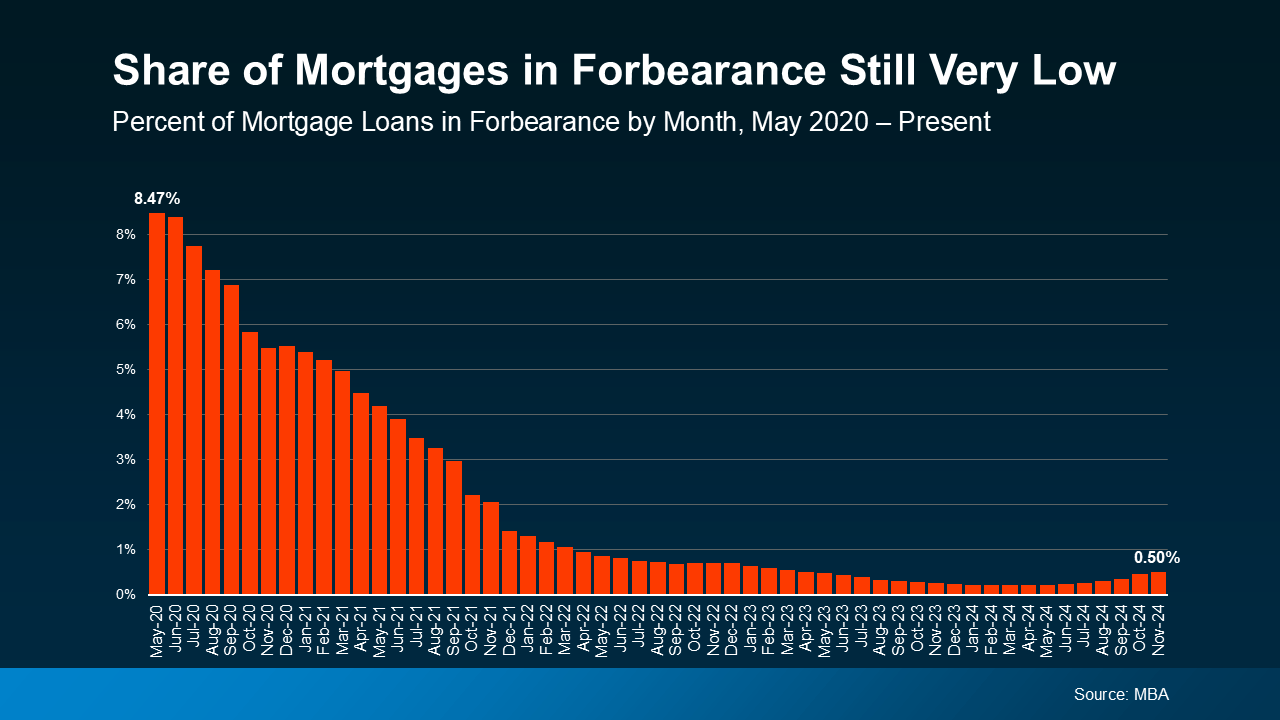
For doctors and their families, relocating to areas affected by such events could amplify financial stress. Thankfully, forbearance remains a reliable safety net, helping homeowners recover and stabilize. While most homeowners today are not in a position to need forbearance due to strong equity and a robust housing market, it’s a critical resource for those who do.
Why Forbearance Matters for Relocating Professionals
Relocation often involves significant financial planning and decision-making. For doctors, who may be transitioning between states or purchasing a new home while selling an old one, temporary financial setbacks can arise. Forbearance allows you to:
- Avoid foreclosure while managing relocation-related expenses.
- Focus on your transition without the immediate burden of full mortgage payments.
- Plan for the future by giving yourself time to address temporary challenges and adjust to a new financial reality.
If you’re facing financial difficulties during your relocation, the first step is to contact your mortgage lender. They can walk you through the process and help you understand your options. Keep in mind that forbearance is not automatic; it requires application and approval based on your specific situation.
Bottom Line
Relocating as a medical professional comes with both opportunities and challenges. If financial struggles arise during your move, mortgage forbearance can provide a lifeline. It’s designed to help homeowners navigate tough times without losing their homes—allowing you to focus on settling into your new role and community. At Best Doctor Relocation Specialist, we’re here to guide you through every aspect of your relocation journey, ensuring you have the resources and support you need to thrive.