

Many healthcare providers face unique challenges when selecting a new home that supports both their professional and personal lives. Your choice of residence can significantly impact your well-being, job satisfaction, and work-life balance. In this blog post, we will explore the top five considerations you should keep in mind while navigating this important decision. Understanding what matters most to you will allow you to make an informed choice that enhances your career and lifestyle as a dedicated healthcare professional.
Location and Commute
While selecting a new home, consider how your daily commute may impact your work-life balance. A shorter commute not only saves you time but also reduces stress, allowing you to focus more on your patients and personal life. Analyze the transportation options available, traffic patterns, and overall travel times to ensure your new location supports your professional duties.
Proximity to Healthcare Facilities
With your work as a healthcare provider, being close to hospitals, clinics, and specialized medical facilities can be advantageous. Proximity to these establishments not only enhances your ability to collaborate with colleagues but also streamlines patient referrals and follow-ups, reinforcing the quality of care you provide.
Accessibility to Patients
To ensure your practice can thrive, it’s imperative to choose a home that offers easy access for your patients. Consider neighborhoods with ample parking, public transportation options, and walkable paths, as these factors can significantly influence patient satisfaction and retention.
Plus, when your home is situated in an accessible area, you increase the likelihood of attracting more patients. Patients appreciate convenience, and living in a location that offers easy access can lead to higher attendance rates for appointments and better engagement in their healthcare journey. Ensuring your clients can reach you without difficulty enhances your practice’s reputation and strengthens your community ties.
Work-Life Balance
Even as a healthcare provider, achieving a balance between your demanding profession and personal life is necessary for well-being. Selecting a new home should involve consideration of your work-life harmony. Prioritizing proximity to your workplace, leisure spaces, and community amenities can significantly impact your daily routine and overall satisfaction in both your career and personal life.
Distance from Work
After weighing the emotional burdens of healthcare, consider the time spent commuting when choosing your new home. A shorter distance from your workplace not only reduces travel time and stress but also allows you to spend more quality moments at home. A reasonable commute enables you to recharge after long shifts, enhancing your overall work-life balance.
Neighborhood Amenities
Neighborhood amenities play a significant role in your everyday life. Quality parks, gyms, restaurants, and grocery stores nearby will enhance your leisure time, providing opportunities for relaxation and social interaction. A vibrant community encourages you to engage in activities that nourish your mental health, making it easier to disconnect from the stresses of healthcare.
Balance is key when it comes to choosing a neighborhood with ample amenities. Look for local parks for outdoor recreation, fitness centers to maintain your health, and social spaces where you can connect with friends and family. Being near grocery stores and restaurants saves you time and offers convenience, ultimately enhancing your quality of life outside of work. A well-rounded community can foster a support network, helping you stay refreshed and energized for your demanding healthcare responsibilities.
Housing Affordability
Keep in mind that housing affordability is a vital aspect of your home search. As a healthcare provider, it’s vital to find a balance between your salary and your housing expenses. Assess the local market to determine if you can comfortably afford a mortgage or rent while still managing student loans, daily expenses, and savings for the future. This exploration will guide you in making sustainable financial decisions regarding your new living situation.
Budget Considerations
Affordability impacts all your budgeting decisions. Start by calculating your maximum housing budget based on your income and expenses. This should include not only the rent or mortgage but also property taxes, insurance, and maintenance costs. Having a clear picture of your overall financial health will help you select a home that fits within your means without compromising your quality of life.
Financing Options
An array of financing options is available to you, which can significantly influence your home-buying experience. From traditional mortgages to loans backed by government programs, understanding these choices will better prepare you in securing the funding necessary for your new residence.
Options such as FHA loans, VA loans, and conventional mortgages each have different qualifying criteria and benefits. For example, FHA loans offer lower down payment requirements, which can be appealing if you’re starting out. VA loans are available to veterans and may not require any down payment at all. Additionally, explore local programs that offer down payment assistance or favorable interest rates for healthcare professionals. Assess these options to find a financing solution that aligns with your financial goals and makes homeownership achievable.
Community and Lifestyle
Despite the importance of professional opportunities, the community and lifestyle surrounding your new home are equally important. As a healthcare provider, you want to ensure you have access to a supportive community that aligns with your personal values and lifestyle preferences. Consider the atmosphere, recreational activities, and overall vibe of the area to ensure it becomes a space where you can thrive both personally and professionally.
Local Healthcare Community
Below, you’ll find it vital to assess the local healthcare community, as it can significantly influence your career and work-life balance. Seek out the presence of nearby hospitals, clinics, and specialized healthcare networks, as well as local professional organizations that provide networking opportunities and support. A robust healthcare community fosters collaboration and continuing education, helping you to grow in your field.
Social Opportunities and Resources
Resources plentiful in your new area can enrich your social experiences, providing outlets for relaxation and connection outside work. Explore clubs, volunteer opportunities, and local events that resonate with your interests, which can enhance your quality of life and create a valuable support network.
Understanding the various social opportunities and resources available in your potential new neighborhood can significantly enhance your overall living experience. Engaging with community groups, attending workshops, or participating in local events helps you build relationships, find mentorship, and establish a sense of belonging. By immersing yourself in activities aligned with your interests, you create a well-rounded lifestyle that complements your professional life as a healthcare provider.

Future Development
After considering the immediate surroundings, it’s imperative to assess future development plans in the area. Cities often undergo transformations that can impact your quality of life, commuting times, and overall neighborhood dynamics. Researching upcoming projects, such as new hospitals, schools, or parks, can provide insights into potential changes in the community and give you a sense of how your new home will fit within these evolving landscapes.
Growth Projections
About understanding growth projections is key. Take time to explore the current plans of local authorities and developers, as these details reveal the direction in which your chosen area is heading. You may find information on population growth, infrastructure improvements, and other imperative developments that can shape the community you are investing in.
Impact on Property Value
Beside growth projections, it’s vital to consider the impact on property value. Areas undergoing development often see an increase in demand, which can lead to favorable appreciation in home values over time. This factor not only affects your investment but also helps stabilize your financial future.
Projections indicate that neighborhoods experiencing significant development or enhancements typically yield higher appreciation rates. If you choose a home in an area ripe for growth, you could see your property’s value rise as new amenities and services become available. Knowing this information can guide you in making a sound investment choice that benefits your financial goals in the long run.
Safety and Environment
Many healthcare providers prioritize safety and the environment when choosing their new home. Understanding the community’s safety features and surrounding environment can significantly impact your well-being and peace of mind. You want to ensure that you not only feel secure in your home but also that your environment fosters your health and wellness, enhancing your quality of life as you serve others.
Crime Rates
For healthcare providers, assessing crime rates in potential neighborhoods is crucial. Lower crime rates often indicate a safer living environment, contributing positively to your overall comfort. Look for trends in crime statistics and consider consulting local resources to gauge the safety of your prospective locations.
Health Impact of Surroundings
At the end of the day, your surroundings can significantly affect your health. A neighborhood with access to green spaces, clean air, and recreational facilities can promote a healthier lifestyle, important for someone in the healthcare profession. Consider how these elements align with your personal preferences and lifestyle choices.
Indeed, the health impact of your surroundings extends beyond just aesthetics. Natural light, open spaces, and proximity to parks can reduce stress and encourage physical activity, factors that are vital for someone in the demanding field of healthcare. Communities with a focus on wellness, along with accessible healthcare and fitness options, can enhance your living experience while supporting your professional commitments. Ultimately, prioritize selecting a home in an area that aligns with your health goals and provides the balance you need in your life.
To wrap up
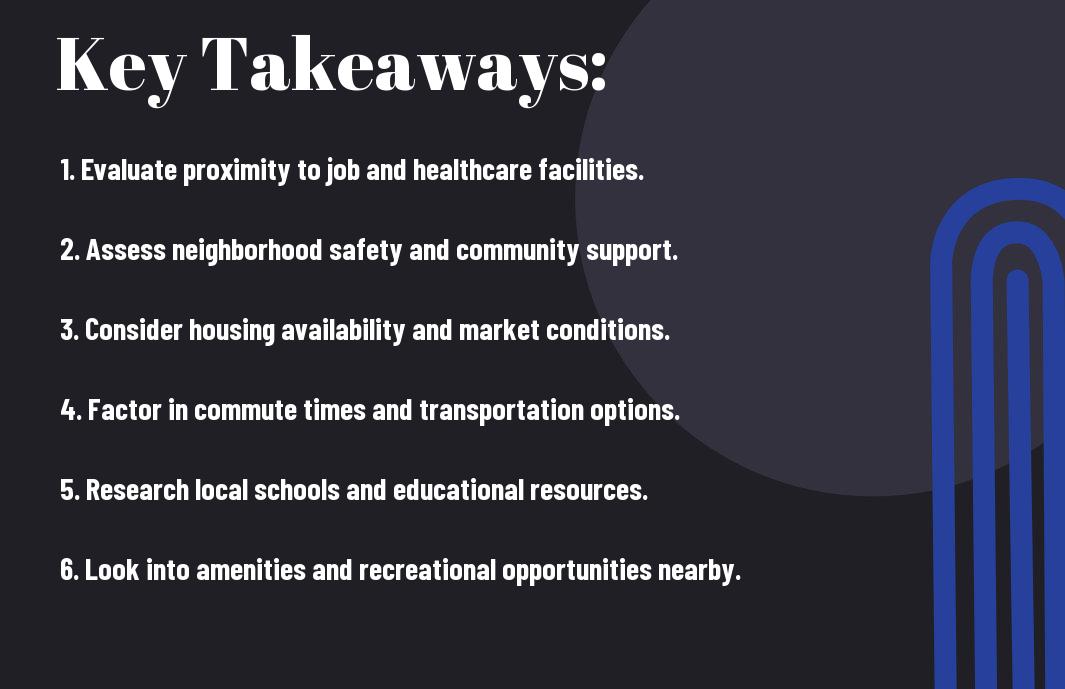
As a reminder, when selecting a new home as a healthcare provider, consider location, accessibility to public transport, proximity to healthcare facilities, community amenities, and overall safety. Each of these factors will significantly influence both your personal life and professional commitments. By prioritizing these considerations, you can ensure that your new home meets your needs and supports your vital work in the healthcare field.