
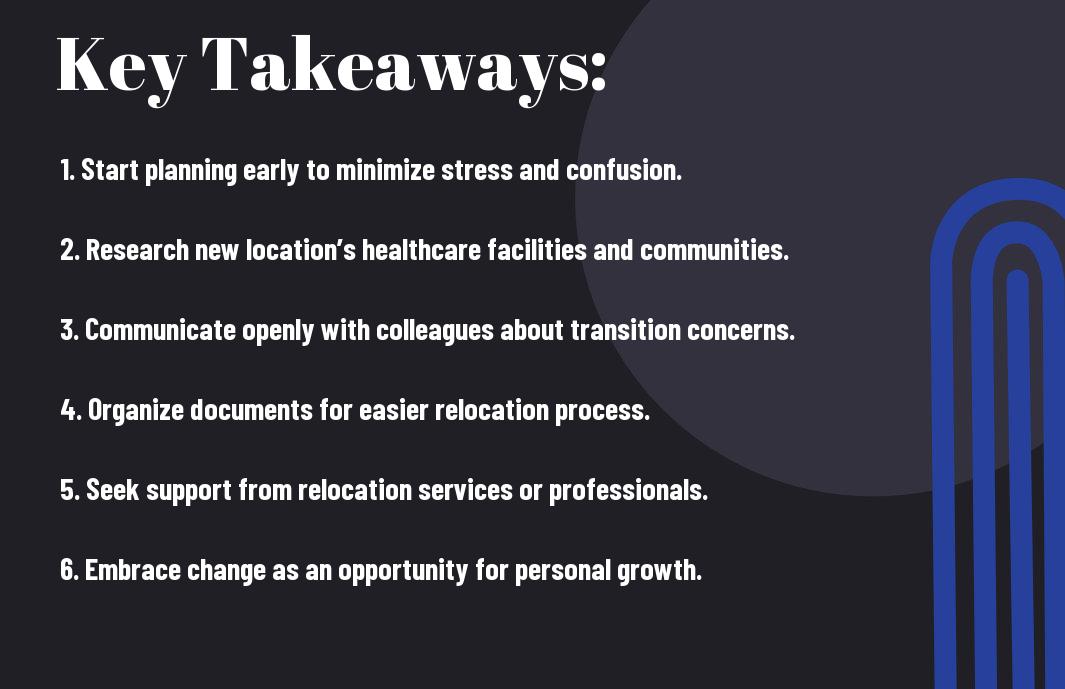
You are about to begin on an exciting journey as you face the challenges of relocation in the medical field. Moving can be overwhelming, especially when you need to adjust to new environments and professional responsibilities. To help you navigate this transition with confidence and ease, we’ve compiled a list of 10 vital tips that will guide you through every step of the process. From finding the right resources to managing stress, these insights will ensure that your move is as smooth as possible, allowing you to focus on what truly matters—your career and well-being.
Research New Location
For a smooth relocation, it’s vital to thoroughly research your new location. Understanding the area where you’ll be working and living can help you adapt more easily. Begin by gathering information on the local culture, weather, and healthcare facilities, which will play an imperative role in your day-to-day life as a medical professional. This knowledge can help ease the transition and set the stage for a fulfilling experience in your new environment.
Cost of Living
Research the cost of living in your new city compared to your current location. This includes housing, transportation, groceries, and healthcare expenses. Assessing these costs can help you budget effectively and ensure you can maintain your desired lifestyle while pursuing your medical career.
Local Amenities
Now that you’ve considered the cost of living, it’s equally important to explore the local amenities available in your new area. These resources can significantly enhance your daily life and overall well-being.
For instance, check for proximity to grocery stores, fitness centers, parks, and recreational facilities. Being close to these amenities not only provides convenience but also promotes a balanced lifestyle. Additionally, consider any local cafes, restaurants, and entertainment options that may enrich your social life. Understanding the community resources available will help you settle in more comfortably and enjoy your time in the new location.
Visit Before Moving
You should make an effort to visit your new location prior to your relocation. This will help you familiarize yourself with the area, assess your living options, and connect with your future workplace. A visit allows you to get a feel for the culture, vibe, and amenities available, making your transition smoother and more manageable.
Explore Neighborhoods
One of the first steps to take during your visit is to explore the different neighborhoods. Each area has its own unique character, and discovering these differences will help you find the best fit for your lifestyle and preferences.
Assess Commute Options
On your visit, evaluate your commute options to work and other vital locations. Understanding the public transport routes, traffic patterns, and average commute times will help you make informed decisions about where to live.
This information is vital for determining how your daily routine might change after the move. By exploring your potential commute, you can identify shortcuts, public transportation availability, and alternate routes. Knowing these details not only eases your adjustment period but also contributes to your overall satisfaction in your new home. A manageable commute can significantly enhance your work-life balance, allowing you more time for personal activities and less stress on the road.
Find Support Systems
All transitions involve change, and finding effective support systems can significantly ease your relocation process. Seek out individuals and networks that can provide guidance and reassurance as you adjust to your new surroundings. These support systems not only help you professionally but can also aid in personal acclimatization, making your new environment feel more welcoming.
Connect with Colleagues
An easy way to build a support system is to connect with your new colleagues. Initiate conversations and engage in informal meet-ups to establish rapport. Sharing experiences and insights with peers enhances your sense of belonging, making it easier to navigate the challenges of relocation together.
Join Local Groups
Join local groups that align with your interests or profession. These organizations often provide networking opportunities and foster connections with others who share your passions or career goals. Engaging with these groups helps you build a supportive community, making your transition smoother and more fulfilling.
Any local groups you join can be a valuable resource for personal and professional development. Whether it’s a networking event, a professional association, or a community interest group, actively participating in these gatherings will help you meet like-minded individuals. Through shared experiences and mutual support, you can cultivate meaningful relationships that will ease your transition and enrich your life in your new location.
Plan Finances Accordingly
Not having a solid financial plan can lead to unnecessary stress during your relocation. As you prepare for the move, take the time to evaluate your current financial situation, including expenses related to housing, transportation, and any assistance your new employer may offer. Adequate preparation will allow you to manage your finances effectively and settle into your new role without added concern.
Budget for Expenses
If you don’t create a clear budget for relocation expenses, you may face unexpected costs that disrupt your financial stability. List all potential expenses, such as moving services, temporary housing, or utility deposits, and factor them into your overall budget. Being proactive and planning ahead will help you adjust to the new location with confidence.
Understand Salary Changes
With a relocation, it’s crucial to understand how your salary may change based on your new location. Factors such as the cost of living, wage standards, and employer policies can significantly impact your overall compensation. Ensure you have an open dialogue with your employer regarding any adjustments that may be necessary to accommodate your new financial landscape.
The key here is to research the cost of living in your new area compared to your current location. This will give you a clearer picture of how far your salary will stretch. Additionally, if your new employer offers relocation assistance or benefits, it can ease the transition. Don’t hesitate to negotiate your salary or discuss other benefits that may provide financial support as you transition into your new role.
Obtain Necessary Documentation
Once again, preparing for your relocation demands that you gather all necessary documentation to ensure a smooth transition. This includes everything from your medical licenses and certifications to personal identification and employment records. Take the time to create a checklist of the documents you need, as this will help you stay organized and avoid any last-minute issues during your move.
Update Medical Licenses
Clearly, keeping your medical licenses up to date is important when relocating. Each state has different requirements, so research the licensing criteria for your new location and initiate the process as soon as possible. This ensures that you can begin your new position without delay, allowing you to focus on your career transition.
Secure Relocation Paperwork
With your relocation, securing the necessary paperwork will facilitate a seamless move. This can include agreements from your new employer, housing contracts, and compliance documents specific to your profession. Having all these items prepared will enable you to navigate the logistics of your move without unnecessary stress.
Medical professionals often require specific relocation forms depending on their new employer and location. Make sure to ask your new employer for any documents you must complete prior to your arrival. These could involve relocation assistance, housing stipends, or even additional certifications. Gathering this paperwork ahead of time will allow you to focus on transitioning smoothly into your new role and environment.
Inform Your Patients
Your patients deserve to be informed about your relocation well in advance. A successful transition hinges on their understanding of any changes to your availability or the services you offer. Clear communication helps build trust and allows your patients to adjust their expectations, ensuring continuity of care during your transition. Consider how you will convey information about your move through various channels, such as newsletters, social media, or in-person announcements during appointments.
Transition Care Plans
The development of transition care plans for your patients is necessary during this time. These plans should outline any necessary steps for your patients when they complete their care with you and prepare for their future treatments. Including details on how referrals will be managed, or how prescriptions will be handled can provide reassurance and clarity.
Communicate Changes
To effectively navigate your relocation, it’s important to communicate changes clearly and consistently. This includes notifying patients about your new location, any changes in scheduling, and how they can continue receiving care.
You can enhance your communication strategy by utilizing multiple platforms; for example, send out emails, post updates on your website, and use social media to reach a broad audience. It’s helpful to create a timeline for updates and ensure all staff members are on the same page to provide reassuring responses to patient inquiries. By fostering an open dialogue, you can alleviate concerns and facilitate a smoother transition for both you and your patients.
Network with Local Professionals
Unlike many industries, the medical field thrives on relationships and collaboration. By actively networking with local professionals, you can ease your transition and gather vital insights about your new environment. Engaging with fellow healthcare workers builds a support system that can offer advice, resources, and even job opportunities as you settle into your new community.
Attend Local Events
Little opportunities often lead to significant connections, so attending local events within the medical industry can tremendously benefit your relocation experience. These gatherings offer you the chance to meet others in your field, share experiences, and establish valuable contacts that will enrich your professional life.
Join Professional Organizations
Assuming you want to maximize your networking potential, joining professional organizations in your new area can be beneficial. These groups provide a platform for meeting like-minded individuals and accessing industry-specific resources that can aid your career development.
It can also create opportunities for mentorship and collaboration, allowing you to engage with more experienced professionals. Many organizations host networking events, workshops, and seminars to help you connect with peers and leaders in the field. By becoming an active member, you not only enhance your credentials but also position yourself as a well-informed resource within your new community.
Organize Relocation Logistics
Many medical staff members find that organizing relocation logistics effectively can significantly ease the transition. Start by creating a detailed timeline of tasks, including packing, hiring services, and setting up in your new location. Prioritize your moving tasks and break them down into manageable steps. This organized approach will help reduce stress and ensure that no important detail is overlooked.
Hire Professional Movers
Some people underestimate the benefits of hiring professional movers, but doing so can save you time and effort during your relocation. Experienced movers can efficiently handle heavy medical equipment, ensuring its safe transport. Additionally, they can manage the packing process, allowing you to focus on your job and family during this busy time.
Schedule Utilities Setup
There’s nothing worse than moving into a new home without vital utilities like water, electricity, and internet. To avoid this inconvenience, start scheduling the setup of these services as soon as you know your relocation date. This proactive approach ensures that your utilities are ready upon arrival, allowing you to settle in comfortably and maintain your routine without interruption.
Hire all necessary utility services well in advance to prevent last-minute issues. Reach out to local providers for electricity, gas, water, internet, and phone services, and inquire about any required deposits or contracts. Note that some utilities may have waiting periods for installation, so it’s wise to book these appointments promptly as you finalize your move to your new workplace location.
Maintain Work-life Balance
To ensure a smooth transition during your relocation, maintaining a healthy work-life balance is crucial. By setting boundaries between your professional and personal life, you can prevent burnout and achieve greater overall satisfaction. Make time for both work responsibilities and personal commitments to foster both productivity and well-being during this significant change.
Prioritize self-care
On your journey through this transition, prioritize self-care by engaging in activities that nourish your mental and physical health. This might involve regular exercise, meditative practices, or simply taking time to unwind. Dedicating time to self-care can enhance your resilience, allowing you to tackle challenges more effectively.
Schedule downtime
Now is the perfect time to schedule downtime for yourself amidst the relocation chaos. Create a weekly plan that includes periods for relaxation and activities you enjoy, such as reading, spending time with loved ones, or pursuing hobbies. By intentionally carving out this time, you pave the way for mental clarity and increased motivation.
Self-care is crucial to maintaining your overall well-being during periods of change. By incorporating regular downtime into your routine, you not only help manage stress but also improve your focus and efficiency at work. Whether it’s short breaks during your workday or extended leisure time over the weekend, prioritizing these moments fosters a healthier mindset and prevents overwhelming feelings as you navigate your new environment.
To wrap up
Taking this into account, successfully navigating a relocation as medical staff requires thoughtful planning and preparation. By following these 10 necessary tips, you can ease your transition and focus on your new role. From understanding your new work environment to organizing your relocation logistics, these strategies will help you adapt quickly and effectively. Embrace the change, connect with your new colleagues, and take proactive steps to ensure a smooth adjustment, setting the foundation for a rewarding professional experience in your new location.