

Over the past few years, the healthcare landscape has evolved dramatically, necessitating that you stay ahead of the curve when relocating your medical practice. As you plan this important transition, it’s vital to consider sustainable practices that not only benefit the environment but also enhance patient experience and operational efficiency. This blog post will guide you through innovative trends and practical tips to future-proof your relocation, ensuring that your practice not only meets current demands but is also prepared for the challenges that lie ahead.

Understanding the Importance of Relocation
The decision to relocate your medical practice is significant and should be approached with careful consideration. This change can enhance patient experience, improve operational efficiency, and optimize your overall practice growth. A well-planned relocation addresses both current challenges and future aspirations, ensuring that your practice is aligned with the evolving needs of your patients and the broader healthcare landscape.
Evaluating Current Trends in Healthcare
Current trends in healthcare highlight the importance of adaptability and innovation in providing patient care. As technology evolves and patient expectations shift, you must assess how these trends impact your practice and commitment to sustainability. Evaluating these dynamics will enable you to create a forward-thinking environment that meets both immediate needs and long-term goals.
The Role of Location in Patient Accessibility
By selecting a strategic location for your medical practice, you significantly enhance patient accessibility, which can lead to increased patient satisfaction and retention. This factor is crucial in a competitive healthcare market, where convenience often dictates patient choices.
Plus, an accessible location can improve your practice’s visibility and attract a broader patient base. Consider proximity to public transportation, parking availability, and nearby amenities when choosing your new site. Your location influences not only patient access but also the potential for partnerships with other health services, enhancing your practice’s integrated care approach. By prioritizing these aspects, you position your practice for sustainable growth and success.
Assessing Sustainability in Medical Practice
Some key components to evaluate when assessing sustainability in your medical practice include site selection, energy utilization, and waste management. By focusing on these areas, you can enhance not only the environmental footprint of your relocation but also the overall efficiency and performance of your practice. This assessment guides you in making informed decisions that align with sustainable principles and long-term viability.
Green Building Practices
With the rise of eco-conscious design, incorporating green building practices can significantly impact your medical practice relocation. This involves utilizing sustainable materials, efficient HVAC systems, and renewable energy sources that minimize environmental impact. By prioritizing these strategies, you not only decrease your carbon footprint but also create a healthier space for both patients and staff.
Energy Efficiency and Resource Management
Medical practices can benefit significantly from strategic energy efficiency and resource management initiatives. By assessing your current energy use, you can identify areas for improvement that lead to lower operational costs and a sustainable practice model.
Management of energy efficiency and resource utilization starts with a thorough evaluation of your existing systems. Implementing smart technologies, such as programmable thermostats and LED lighting, is an effective way to reduce energy consumption. Additionally, optimizing workflows and minimizing waste through digital record-keeping will enhance resource management. By integrating these practices into your new space, you create a sustainable, efficient environment that supports both your patients’ needs and your practice’s long-term success.
Logistics of Moving Your Practice
Keep the logistics of your medical practice relocation organized. Addressing the details ahead of time ensures everything transitions smoothly. From scheduling the physical move to securing necessary permits and notifying patients, focusing on logistics can significantly reduce the stress associated with relocation, allowing you to concentrate on providing uninterrupted patient care during the process.
Planning the Relocation Timeline
Planning your relocation timeline is vital to achieving a seamless move. Break down the entire process into phases, starting from your initial decision to relocate through to the final move-in day. Establish key deadlines for each phase, allowing ample time for coordinating with contractors, notifying patients, and securing vital resources to set up your new space efficiently.
Engaging with Professional Movers
Any successful relocation involves engaging with professional movers who specialize in medical practices. They possess the experience needed to handle sensitive medical equipment and ensure compliance with industry standards.
At the outset, research and reach out to specialized moving companies that have a proven track record with medical practices. Discuss your specific needs, including equipment handling, security protocols, and timeline flexibility. Professional movers can assist with careful packing, transportation, and even unpacking, ensuring your equipment is set up correctly in the new location while minimizing downtime for your practice.
Technology and Infrastructure Considerations
Many factors contribute to the effective relocation of your medical practice, particularly regarding technology and infrastructure. As you move to a new space, consider how your technology stack will support your practice’s growth and efficiency. Invest in reliable IT systems, high-speed internet, and a layout that facilitates workflow while keeping patient comfort in mind. By integrating the latest technology, you can streamline operations and enhance patient care.
Upgrading Medical Equipment
An upgrade in medical equipment can significantly enhance the quality of care you provide. As you relocate, take this opportunity to assess your current equipment and invest in modern alternatives that offer improved functionality and better patient outcomes. This not only modernizes your practice but also signals your commitment to providing exceptional care.
Implementing Telehealth Solutions
For practices looking to expand their services, implementing telehealth solutions offers numerous benefits. This innovative approach enables you to reach patients who may struggle with transportation or those who prefer remote consultations, ultimately fostering a more inclusive healthcare environment.
Even as you set up your new practice, prioritizing telehealth integration will prepare you for future demands in healthcare. By offering virtual consultations, you can enhance patient access, improve scheduling flexibility, and potentially increase your patient base. Ensure that your telehealth solutions comply with regulations, and utilize user-friendly platforms that facilitate seamless communication between you and your patients. This adaptation not only meets current needs but also positions your practice favorably in a rapidly evolving healthcare landscape.
Community Engagement and Patient Retention
Once again, community engagement plays a vital role in ensuring the success of your medical practice relocation. By actively involving yourself in local initiatives and fostering relationships with community leaders, you strengthen your presence and enhance patient retention. Engaging with existing and potential patients through events, workshops, or health fairs can create a lasting impression, encouraging loyalty and continuity in care.
Communication Strategies During Transition
Retention begins with strategic communication during your relocation process. Keeping your patients informed through personalized messages, newsletters, and social media updates is important. Transparency about the reasons behind the move and what they can expect fosters trust, making patients feel valued during this transition.
Building Relationships with Local Providers
After relocating, building relationships with local healthcare providers can greatly benefit your practice. Establishing referral partnerships and collaborative efforts with nearby specialists will enhance patient care and expand your practice’s network.
The goal is to create a supportive medical community where you can refer patients as needed while receiving referrals in return. Attend local networking events, join healthcare associations, and engage with other providers in your area. By fostering these connections, you will not only improve patient care continuity but also create a strong support system that can enhance your practice’s reputation in the community.
Financial Implications of Relocation
After deciding to relocate your medical practice, it is important to consider the various financial implications involved. The costs associated with moving, setting up a new space, and potential temporary disruptions to your operations can all impact your bottom line. Educating yourself about these factors will help you make informed decisions that align with your financial goals for a sustainable future.
Budgeting for Move and Setup Costs
Against the backdrop of your move, it’s important to create a detailed budget that encompasses all expenses related to the relocation and setting up your new practice. These costs can include moving services, renovations, new equipment, and additional staff training. Taking these factors into consideration will help ensure your relocation is financially sound and manageable.
Exploring Financial Incentives for Sustainable Practices
Practices that focus on sustainability can often access a range of financial incentives aimed at promoting eco-friendly initiatives. Governments and local authorities may offer grants, tax credits, or low-interest loans specifically for environmentally conscious upgrades, like energy-efficient systems or green building materials.
Hence, by exploring these financial incentives, you can offset some of the costs associated with your move and setup. Not only will this help improve your cash flow during the transition, but it will also enhance the sustainability profile of your practice, potentially attracting more patients who value environmentally friendly healthcare options. Be proactive in researching available programs and ensure you take full advantage of the resources at your disposal to maximize your investment in sustainable practices.
Final Words
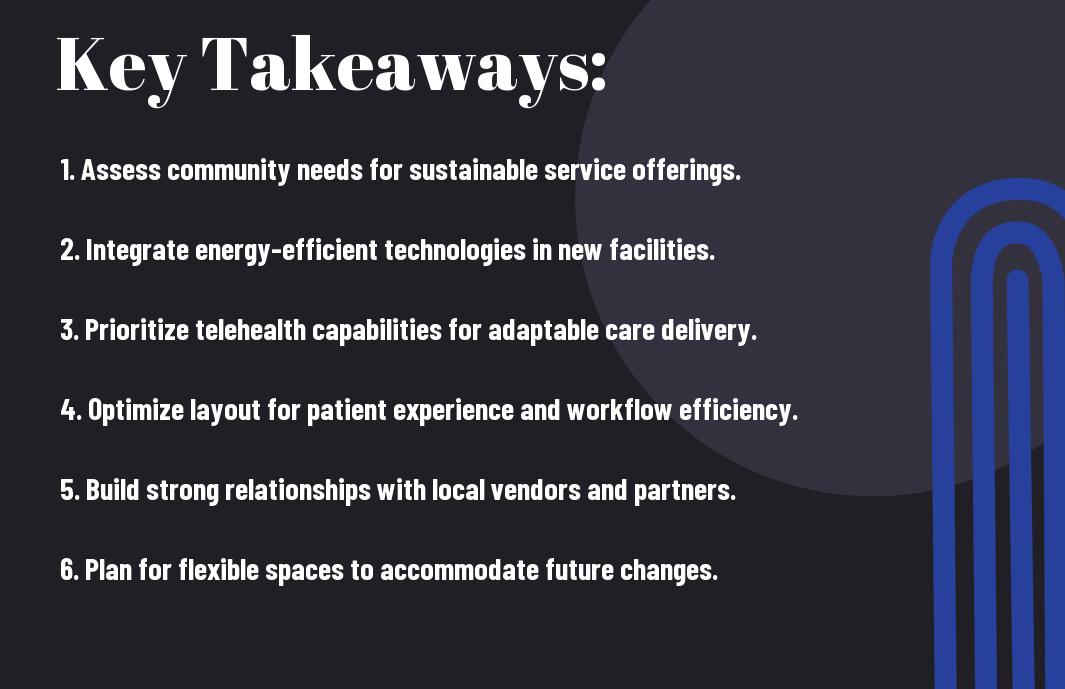
So, as you consider relocating your medical practice, it’s important to embrace trends and tips that promote sustainability and longevity. By prioritizing eco-friendly solutions, optimizing patient experiences, and leveraging technology, you can ensure that your new location not only supports your current operations but also prepares you for future challenges. By actively focusing on these strategies, you empower your practice to thrive in an evolving healthcare landscape while minimizing your environmental impact.