
It’s understandable that relocating can feel overwhelming, especially for busy physicians and medical staff like you. Balancing a demanding career with the logistics of a move can create unnecessary stress. In this post, we’ll provide you with important tips tailored to your unique needs, ensuring a smooth transition to your new home or workplace. From planning your timeline to tackling the packing process, you’ll find practical advice designed to ease your relocation experience while you focus on what matters most—your patients and practice.
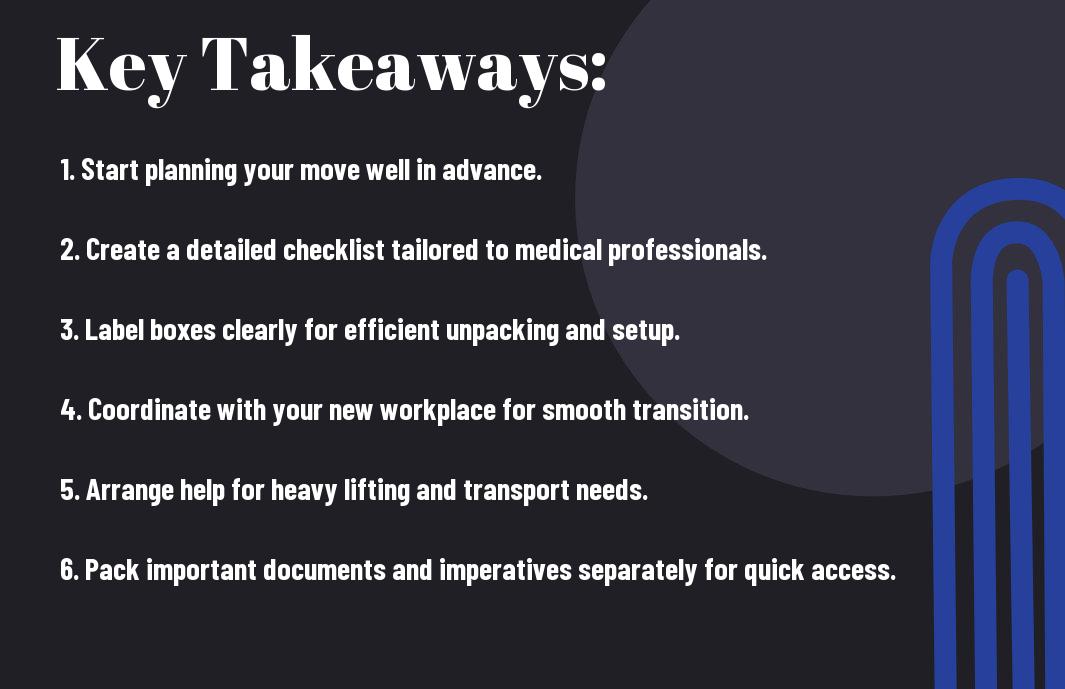
Understanding the Challenges of Relocation
The process of relocating can present a variety of challenges for medical professionals. From establishing new work relationships to managing household logistics, the transition requires careful planning and foresight. You may also face unique stressors associated with your demanding schedules and responsibilities, all while ensuring a smooth adjustment for yourself and your family.
Common Stressors for Medical Professionals
One major source of stress during relocation is the need to acclimate to a new work environment, which can involve navigating unfamiliar hospital systems and workflows. This adjustment period often coincides with personal tasks like finding suitable housing, enrolling children in schools, or managing moving logistics. Balancing these demands can be overwhelming.
Unique Considerations for Physicians and Medical Staff
Professionals in the medical field face unique considerations during relocation. The nature of your work may require you to be on-call, which complicates scheduling and time management during the moving process. You might also need to ensure a seamless transition of licenses and credentialing to practice in your new location, which can add additional layers of complexity to your move.
Medical professionals often have specialized licenses and certifications that need to be transferred or renewed, which can be time-consuming. Additionally, you may want to connect with local medical communities and organizations to help build your professional network. This proactive approach can ease feelings of isolation and reinforce your support system in your new environment. Evaluate your new location’s healthcare landscape and consider potential job opportunities to ensure a smooth professional transition.

Planning Your Move
Even the most daunting relocation can be made manageable with a well-thought-out plan. By breaking down the process into digestible steps, you can ensure that every aspect of your move is organized and streamlined. Prioritize tasks, allocate time for sorting and packing, and seek assistance where necessary. Creating a timeline and checklist will help you stay on track as you prepare for your new environment.
Timeline for a Successful Relocation
At the onset of your moving journey, establishing a realistic timeline is important. Begin by marking key dates, such as when to notify your current employer and when to sign leases or home purchase agreements. By setting specific milestones, you can avoid last-minute scrambles and ensure that you allocate enough time to each step of the process.
Essential Checklist for a Smooth Transition
Among the most effective tools for a seamless move is a comprehensive checklist. By outlining tasks such as obtaining medical licenses in your new location, scheduling utility transfers, and arranging for transportation, you can track your progress and reduce the likelihood of overlooking important details.
Considering the complexities of relocating, a detailed checklist will serve as your navigator. Include items like organizing medical records, connecting with local healthcare facilities, and ensuring your family’s needs are also addressed. A checklist allows you to visualize the entire process, creating a clear roadmap to guide you through each stage, ultimately paving the way for a smoother transition into your new home and work environment.
Finding the Right Location
Despite the excitement of relocating, choosing the right location can be challenging. Consider your lifestyle, work commitments, and personal preferences to find a neighborhood that meets your needs. Conduct thorough research to understand the different areas and their amenities, so you feel comfortable and supported in your new environment.
Factors to Consider in Your New Community
Along with proximity to work, there are several factors to consider when selecting your new community:
- Schools and educational facilities
- Healthcare services
- Recreation and leisure options
- Transportation availability
- Local culture and community events
Thou should take time to evaluate your lifestyle needs and preferences.
Proximity to Work and Essential Services
Around your job, accessibility to necessary services enhances your daily life. This includes having convenient access to hospitals, clinics, grocery stores, and pharmacies. Living close to your workplace can reduce commuting stress and provide peace of mind regarding emergencies.
To ensure you have a healthy work-life balance, find a location that minimizes your commute while maximizing access to required services. Look for neighborhoods that offer quick routes to your workplace and necessary amenities, such as grocery stores, restaurants, parks, and fitness facilities. By prioritizing proximity to work and necessary services, you can ease the transition and focus more on your new role as a physician or medical staff member.
Packing and Organizing
Unlike other professions, relocating as a physician or medical staff member requires careful planning for both personal and professional belongings. You must prioritize organization to minimize stress during the move. Create a detailed inventory of items to ensure everything is accounted for, and label boxes clearly to simplify unpacking. This preparation will help you transition smoothly to your new environment, allowing you to focus on your important work without unnecessary distractions.
Efficient Packing Techniques
Between sorting through your belongings and organizing them, efficient packing techniques can save you time and effort. Start by grouping similar items together and use sturdy, appropriately sized boxes to ensure safety during transit. Consider using packing paper or bubble wrap to protect fragile items. Disassemble larger furniture if possible, and fill any empty spaces in boxes with softer items to provide cushioning. This will help create a well-organized and manageable moving process.
Managing Medical Equipment and Personal Items
Packing your medical equipment and personal items requires additional attention to detail. You need to ensure everything is securely packed to avoid damage or loss.
For instance, you might have specialized medical devices that are crucial for your practice, and these should be handled with extra care. Clearly label all items related to your profession and keep an inventory list. Consider maintaining a separate bag for vital items that you’ll need immediately upon arrival, allowing you to settle in without delay. Additionally, contact your equipment suppliers to inquire about securing any necessary replacements during the moving process. This proactive approach will keep both your personal and professional lives running smoothly post-relocation.
Settling Into Your New Home
Keep in mind that settling into your new home is an necessary step in making your relocation feel seamless and enjoyable. Take the time to unpack and arrange your belongings to reflect your personal style and create a sense of comfort. Establishing routines and making small adjustments can help you feel more at home in no time.
Tips for Creating a Comfortable Living Space
To enhance your living environment, incorporate personal touches that evoke feelings of relaxation and joy. Consider the following tips:
- Use familiar decor elements from your previous home.
- Optimize lighting with soft lamps and natural light.
- Choose comfortable furniture that invites relaxation.
- Maintain an organized space to minimize stress.
Any efforts to personalize your space will contribute significantly to your well-being in your new home.
Engaging with the Local Community
One effective way to settle into your new surroundings is by engaging with the local community. This not only helps you establish connections but also enables you to discover the resources and opportunities available in your area.
Tips for connecting with others include attending local events, joining community groups or organizations, and visiting nearby parks or recreational facilities. Volunteering for local initiatives related to healthcare can also create bonds with like-minded individuals and enhance your sense of belonging. Consider seeking out professional networking groups that cater to physicians and medical staff in your area. These interactions will greatly enrich your experience in your new environment.
Transitioning to a New Work Environment
After relocating, adapting to your new work environment is key for your success and satisfaction. Familiarize yourself with the layout of the facility and understand the workflow processes specific to your new role. Pay attention to the culture and values of the organization, which can greatly influence how you interact with patients and colleagues alike. Embracing these changes with a positive attitude will aid in your transition and help set the tone for your future experiences in your new position.
Navigating New Workplace Dynamics
Along with the excitement of starting anew comes the challenge of understanding the workplace dynamics. Observe how teams interact and communicate, as this will help you gauge the social structure in your new environment. Keep an open mind and be adaptable when approaching collaboration and leadership styles, as these may differ from what you are used to. Engaging with your colleagues in informal settings can also provide valuable insights into the professional relationships that matter within your new workplace.
Building Relationships with Colleagues
Colleagues will play a vital role in your adjustment process, so actively seek to build connections. Start by introducing yourself to those in your department and participating in team meetings. Take the time to listen to their experiences and insights, as this will not only foster mutual respect but also help you feel more integrated. Engage in communal activities, such as coffee breaks or social events, which can further strengthen these relationships. Building rapport with your colleagues can lead to a more supportive work environment and enhance your overall job satisfaction.
Navigating workplace relationships requires attention and effort. Pay attention to the different personalities of your colleagues, as understanding their styles can improve your collaboration. Show genuine interest in their work and ask for their opinions or advice when appropriate. Offering assistance when you can will also reinforce your reliability. As you demonstrate your commitment to becoming part of the team, these initiatives will help you create a network of support that can enhance your professional development and overall experience in your new setting.
To wrap up
Following this guide will empower you to navigate your relocation with ease and confidence, ensuring a seamless transition to your new environment. By planning ahead, organizing your belongings, and utilizing professional services when necessary, you can minimize the stress often associated with moving. Take the time to care for your well-being and seek support from colleagues and family as you launch on this significant change in your life and career. A well-executed relocation not only enhances your personal life but also contributes positively to your professional journey.