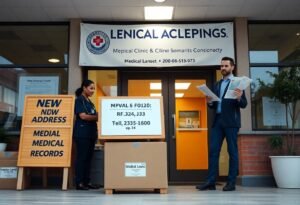
You should begin planning your relocation as soon as you accept a new position to reduce stress and protect patient care continuity.
Choose a relocation service that specializes in physician moves and confirm their experience with medical equipment, credential transfers, and temporary housing for clinicians. Ask for references from other doctors and request written estimates that break out packing, transport, storage, and specialized handling for clinical tools. Verify insurance coverage for high-value items and confirm timelines for delivery and setup.
Create a timeline that lists deadlines for license transfers, hospital privileging, school enrollments, and lease or mortgage actions. Set milestones at 8-12 weeks, 4 weeks, 1-2 weeks, and moving day to track progress. Prepare an inventory that separates household goods, office files, clinical instruments, and controlled substances so your relocation team can handle each category correctly.
Start your medical credentialing and board notifications immediately to reduce delays in starting clinical duties. Contact state medical boards, hospital credentialing offices, and malpractice carriers to confirm effective dates and any paperwork requirements. Pack a clinic-ready box with current licenses, DEA registration, patient records access instructions, and key contact numbers to ensure clinical coverage during the transition.
Address personal and family logistics early by arranging school tours, spousal job support, and community introductions. Secure temporary housing options near the hospital while you finalize permanent housing. Ask your relocation service about lease-termination assistance, house-hunting visits, and local orientation services tailored for clinicians and their families.
Label boxes clearly and use a color-coded system for room assignments, priority items, and medical equipment. Prepare delicate diagnostic devices and personal medical instruments in their original cases when possible and document serial numbers. Schedule an on-site walkthrough with the moving crew to point out fragile items, locked cabinets, and any items requiring special handling or temperature control.
Plan moving-day coverage for patients and call schedules by coordinating with your practice manager and colleagues. Confirm that IT and electronic health record access are set up at the new location and that telehealth connections are tested. Keep a list of necessary contacts on your phone and in your clinic-ready box to resolve any last-minute credentialing, logistics, or housing questions quickly.
Follow up after arrival by inspecting delivered items, filing any damage claims promptly, and updating contact information with hospitals and insurers. Schedule a local orientation with human resources and clinical leadership to clarify on-call expectations and payroll transitions. Track expenses and relocation reimbursements carefully to ensure compliance with your employment agreement and to close out the move efficiently.