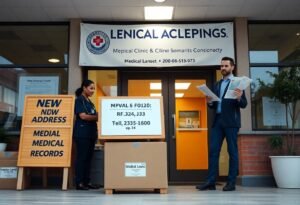
Just plan moves with specialized healthcare movers and you cut transition time, protect equipment, comply with regulations, and keep patient care uninterrupted by precise scheduling, trained teams, and targeted packing that minimize downtime and reduce operational risk.
Strategic Pre-Move Assessment and Inventory Mapping
Planning helps you catalog equipment, verify installation needs, and map systems to avoid service gaps during relocation, reducing downtime and accelerating recovery.
Identifying Critical Medical Assets and Sensitive Instrumentation
You classify devices by clinical function, calibration needs, and environmental sensitivity, prioritizing life-support and diagnostic instruments for protected handling and expedited transfer.
Developing a Non-Disruptive Transition Timeline
Create phased move windows that align with your operating schedules, use off-hour transfers for high-impact items, and build redundancy to keep your critical services running.
Phased timelines let you sequence high-risk systems during low-usage periods, coordinate vendor installations and maintenance, schedule overlapping staff for handoffs, and include contingency buffers; this approach minimizes emergency workarounds, maintains patient safety, and shortens overall downtime while meeting regulatory and accreditation requirements.
Specialized Transport for High-Value Medical Equipment
Specialized transport ensures you protect high-value systems with vetted carriers, fortified crating, and route planning that minimize handling time and risk.
Precision Packing and Climate-Controlled Logistics
Packing techniques use custom crating, shock mounts, and climate-controlled trailers so you maintain calibration and avoid temperature-related failures during transit.
Adherence to Manufacturer Warranty and Handling Guidelines
Compliance with manufacturer warranties and handling guidelines helps you preserve coverage by following approved packing, certified carriers, and documented transfer procedures.
You should require OEM-approved packing materials, pre-move equipment validation, serial-numbered custody logs, and arrival-function testing; involve manufacturer representatives for sensitive installs and report anomalies immediately to prevent warranty disputes and speed repairs.
Safeguarding IT Infrastructure and Electronic Health Records
Protecting your EHR systems and servers during a move keeps patient care continuous: controlled packing, climate-controlled transport, and validated reinstallation reduce risk of data loss and hardware failures so you avoid extended downtime and compliance gaps.
Secure Data Migration and Server Relocation
During secure migrations, you should encrypt data in transit, verify backups, and use phased cutovers to move servers with rollback options, ensuring HIPAA compliance and minimal disruption to clinical workflows.
Network Integration and Connectivity Verification
Testing your network immediately after relocation confirms IP assignments, routing, VLANs, and failover paths so you restore clinician access and maintain EHR performance without prolonged outages.
Phased validation plans let you map existing topologies, freeze configurations, reserve IP ranges, and pre-stage switches so you can swap hardware with automated scripts, run synthetic transactions to verify application stacks, monitor latency and packet loss, and execute rollback procedures if issues arise.
Maintaining Regulatory Compliance and Patient Privacy
Maintaining regulatory compliance and patient privacy during moves requires clear protocols, trained staff, and audited processes so you avoid penalties and protect sensitive records while minimizing downtime.
HIPAA-Compliant Chain of Custody Protocols
You follow strict chain-of-custody protocols that document every handoff, timestamp transfers, and require verified signatures so PHI remains auditable and protected throughout relocation.
Secure Document Management and Physical File Transfer
Your document handling protocols encrypt digital copies, track physical files with barcodes, and enforce access controls so only authorized staff can view PHI during transport.
Systems that combine encrypted scanning, chain-of-custody logs, and tamper-evident packaging let you reconcile files quickly and prevent unauthorized exposure during transit.
Operational Efficiency Through Phased Relocation
Phased moves let you maintain core services by relocating in stages, reducing overlap and staffing strain while controlling resource allocation and mitigating costly simultaneous disruptions.
Minimizing Downtime via Weekend and After-Hours Execution
Scheduling weekend and after-hours moves lets you shift services when patient volume is lowest, shortening interruptions and keeping equipment and IT offline windows tightly controlled for faster restoration.
Departmental Priority Sequencing for Continuity of Care
Sequencing departments by clinical dependency ensures you maintain critical services first, enabling patient care to continue while nonvital areas relocate later with minimal risk.
Careful departmental sequencing requires mapping clinical workflows, staging equipment and furniture moves, coordinating IT switchover windows, and aligning staff schedules so you preserve emergency, surgical, and diagnostic capacity while outpatient and administrative functions transition; detailed checklists and cross-departmental rehearsals reduce surprises and let you measure readiness at each phase, cutting total downtime and protecting patient safety.
Post-Move Support and Immediate Clinical Resumption
You receive dedicated move coordinators and onsite technicians to restart clinical services within hours, prioritize critical systems, and manage patient flow so care continuity and scheduling recover swiftly.
Equipment Calibration and Functional Testing
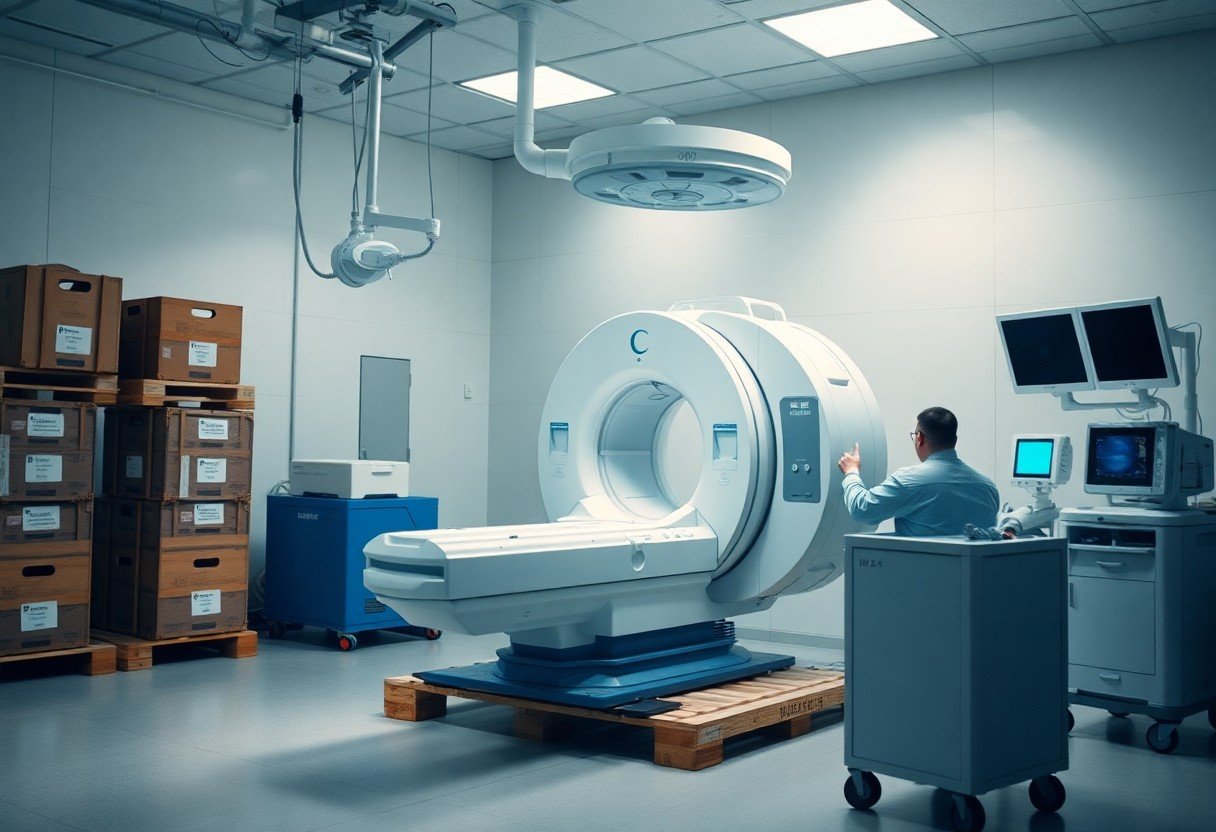
Your biomedical technicians perform immediate calibration and functional testing of diagnostics, imaging, and monitoring devices to ensure accuracy and regulatory compliance before clinical use.
Final Site Clearance and Workspace Optimization
Plan final site clearance to remove move-related debris, label storage, and optimize workstations so staff can locate supplies and start patient care without delay.
Organize coordinated final clearance with cleaning crews, biomedical engineers, and supply chain so you clear hazards, confirm infection-control cleaning, restock consumables, and set ergonomic workstations. Use checklists for signage, waste removal, and secure storage, and schedule short staff orientations to confirm where critical supplies live and how to access equipment quickly, reducing setup errors and patient delays.
Final Words
The right healthcare moving solution saves you hours by coordinating staff, secure transport, and equipment setup, shortening transition windows and minimizing service interruptions so your patients and operations resume quickly.