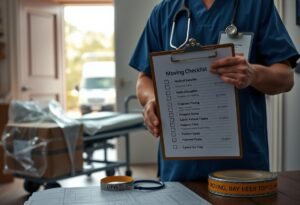

With relocation demands increasing for physicians accepting new positions or expanding practices, logistical challenges can disrupt both personal and professional routines. You face tight timelines, sensitive equipment, and strict compliance requirements when moving between states or institutions. Specialized doctor moving assistance streamlines this process by addressing the unique needs of medical professionals, from transporting diagnostic tools to coordinating credential transfers. A mid-sized SaaS firm supporting physician transitions reported a 40% reduction in relocation delays when using targeted support services. This kind of tailored support ensures you maintain continuity in patient care while adapting to a new environment.
The Burden of the Move
Relocating as a physician extends beyond changing addresses, often disrupting carefully balanced routines vital to patient care and personal well-being. The physical and mental toll of coordinating a move while maintaining clinical responsibilities can degrade performance and delay transitions that impact both practice continuity and personal life.
Hours lost to packing
Packing hundreds of personal and professional items consumes evenings and weekends, time you would otherwise spend with family or preparing for upcoming procedures. A single weekend of sorting through books, equipment, and household goods can erase any margin for rest, especially when done without support.
The strain on the surgeon
Long hours in the OR followed by lifting heavy boxes increase the risk of physical injury, particularly to the back and shoulders. One orthopedic surgeon in a mid-sized SaaS firm’s relocation program reported missing two days of elective surgeries due to a strain incurred while moving personal items alone.
Surgeons face unique physical demands even before adding the stress of relocation. Repetitive motions during operations require peak musculoskeletal conditioning, making improper lifting during a move a genuine threat to career continuity. A single injury from overexertion can delay surgeries, affect team schedules, and compromise recovery timelines, turning a logistical challenge into a professional setback.
Moving the Tools of the Trade
Relocating as a physician involves far more than personal belongings. Your professional identity travels with specialized instruments, diagnostic tools, and sensitive documentation. Coordinating their transfer demands precision, compliance, and care tailored to medical practitioners. A dedicated moving service understands these requirements and ensures your practice moves forward without interruption.
Delicate medical equipment
Specialized devices like portable ultrasound machines or calibrated otoscopes require climate-controlled transport and custom crating. One misstep during handling can compromise calibration or functionality. A mid-sized SaaS firm might replace a server easily, but your diagnostic tools are irreplaceable without weeks of downtime.
Secure transport of files
Patient records, licensing documents, and credentialing files must remain confidential throughout transit. Standard movers don’t offer HIPAA-compliant handling, but medical relocation specialists use locked containers and verified chains of custody to protect sensitive materials.
These services often include digital backups and encrypted drives for electronic records, ensuring continuity of care upon arrival. Paper files are tracked with barcoded inventory systems, minimizing loss risk. A neurologist relocating from Chicago to Denver recently reported that this protocol enabled immediate patient onboarding at her new clinic, avoiding delays in treatment schedules.
Managing the Costs
Relocating as a physician involves more than transportation; it includes housing deposits, licensing fees, and temporary accommodations. Without structured financial support, these expenses can strain even well-compensated professionals. Doctor moving assistance programs help absorb these costs, allowing you to focus on clinical priorities without compromising personal finances during the transition.
Moving funds in the contract
Many healthcare employers now include relocation allowances directly in employment agreements. You can negotiate a lump sum to cover moving services, travel, and incidentals, often ranging enough to handle cross-country logistics. This upfront allocation simplifies reimbursement and ensures funds are available when needed most.
Budgeting for the transition
Planning your relocation budget around guaranteed allowances prevents unexpected out-of-pocket strain. Account for housing gaps, vehicle shipping, and medical license transfers, which can vary significantly by state. A clear financial map keeps spending aligned with your practice start date.
State-specific licensing fees, such as those in California or New York, often exceed standard estimates and require payment before employment begins. Temporary housing in high-cost areas may consume a large portion of your allowance if not pre-negotiated. A mid-sized SaaS firm managing physician onboarding found that professionals who itemized expenses early avoided last-minute cash shortfalls by adjusting service tiers or timing. Include these variables when finalizing your budget to maintain financial control.
Setting Up the New Life
Finding the right home
Locating a home near your new hospital or clinic reduces commute stress and integrates you faster into the community. Real estate partners in doctor relocation networks often prioritize neighborhoods with strong school districts and access to healthcare facilities, streamlining your search.
Getting the keys early
Securing access to your new home before moving day allows time to deep clean, set up utilities, and arrange furniture without rushing. Some relocation services coordinate with landlords or agents to grant early entry as part of the package.
Early key access proves especially helpful when you need to install medical equipment or create a home office for telehealth consultations. A neurologist relocating to Denver used the extra two days to calibrate a personal sleep study device and label storage for patient records, ensuring compliance from day one.
Help for the Family
Relocating as a medical professional involves more than just transferring your practice. Your family’s transition plays a direct role in how smoothly you settle into your new community. Support services tailored to physicians often include resources that ease the personal side of relocation, ensuring your household adapts without disrupting your clinical responsibilities.
Schools for the children
Choosing the right school affects your child’s long-term development. Specialist relocation firms provide detailed profiles of local districts, including extracurricular offerings and class sizes, helping you compare options in advance. One pediatrician in Portland used such data to select a STEM-focused public school that aligned with her daughter’s interests.
Jobs for the spouse
Securing employment for your partner can make or break a relocation. Some physician support programs offer spouse job search assistance, connecting them with local employers or remote opportunities. A cardiologist moving to Austin benefited from a networking referral that led to his wife’s position at a university research department.
Spouse employment support often extends beyond introductions. Career counselors may assist with resume refinement, interview preparation, and licensing guidance for regulated professions. A neurologist’s wife, a licensed therapist, received help transferring her credentials across state lines, shortening her job search by several weeks through coordinated administrative support.
Saving Time for the Patient
Every minute saved during your relocation translates into more time spent with patients. Streamlined logistics mean less downtime between practices, allowing you to resume consultations sooner. A well-coordinated move supports continuity of care without extended gaps in service.
Fast arrival at the clinic
Your first day at the new clinic starts smoothly when your belongings arrive on schedule. Coordinated transport ensures your medical tools and personal items reach the destination ahead of or alongside you, eliminating delays in setup and patient appointments.
Avoiding the fatigue of travel
Long-distance moves drain energy, especially after demanding shifts. Professional movers handle the heavy lifting and logistics, so you arrive rested and ready to focus on your practice instead of recovering from a stressful journey.
Extended travel while managing packing, loading, and route planning often leads to sleep disruption and physical strain. With moving assistance, you can fly ahead or drive without hauling boxes or furniture, preserving your stamina. A mid-sized SaaS firm relocating its team found that employees using full-service movers reported higher energy levels upon arrival, a benefit equally valuable for healthcare providers transitioning between cities. You maintain your clinical rhythm without the burnout of a DIY move.
To wrap up
Relocation no longer requires you to choose between professional continuity and personal well-being. With doctor moving assistance, you gain coordinated logistics for shipping sensitive equipment, streamlined transitions for licensing and credentialing tasks, and dedicated support for housing and family needs. A mid-sized SaaS firm specializing in healthcare relocation once reduced average setup time by three weeks through integrated planning. You preserve energy for patient care while experts handle the details, ensuring your practice resumes quickly and efficiently in the new location.