
You should begin by drafting a realistic timeline that coordinates credentialing deadlines, clinic closures, and family needs so that clinical responsibilities and patient care remain uninterrupted.
Choose a relocation service that has specific experience with physician moves and request examples of past projects, scope of services, and references from other doctors so that you can compare offerings and pricing.
Verify licensure and credentialing support early, including state medical licenses, DEA registration transfers, hospital privileges, and board notifications, because application windows can take weeks to months and missed steps can delay clinical work.
Confirm malpractice coverage and contract details before you sign your new employment agreement; ask whether tail coverage, a relocation stipend, or loan repayment handling is included and get any verbal promises in writing.
Protect patient continuity by notifying your patients and referring offices, arranging records transfer or EMR access at the new site, and planning a handoff for ongoing cases so patient care remains consistent during the transition.
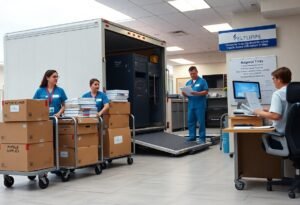
Arrange secure packing and transport for sensitive materials and medical equipment, including controlled substances where regulation applies, calibrated instruments, and diagnostic devices; request mover insurance and specialized handling protocols for clinical items.
Coordinate housing and community logistics for your household, such as temporary accommodation, school enrollment, and spousal career support, and ask your relocation team to provide local orientation services and area tours.
Develop a detailed inventory and labeling system for personal and professional items, schedule a reliable moving crew with experience in high-value medical equipment, and set clear timelines for packing, transit, and unpacking.
Plan for IT and office setup on the first clinical day by arranging network access, EMR installations, phone routing, and medical device testing so you can resume patient care without technical delays.
Inspect the new workspace before accepting keys, confirm building compliance for clinical operations, and set up introductions with administrative staff and referring physicians to accelerate practice integration and patient referrals.
Keep all receipts and document relocation expenses for employer reimbursement and tax purposes, and schedule a post-move review with your relocation service to address remaining items and ensure a smooth return to full clinical productivity.