
Over the next steps, you will learn seven practical actions to coordinate logistics, secure licensure, protect sensitive equipment, manage timelines, and minimize patient disruption when working with doctor relocation services.
Strategic Timeline and Credentialing Alignment
Plan a timeline that syncs credentialing milestones with relocation steps so you avoid gaps in practice eligibility.
Managing Medical Licensing and Hospital Privileges
Obtain and track state licenses, DEA registrations, and hospital privileges early, so you can start patient care on schedule.
Coordinating Documentation with New Practice Standards
Align your CV, references, and privileging paperwork to the new practice’s formats and submission requirements to prevent delays.
Prepare detailed checklists tailored to the practice’s credentialing packet; convert files to required formats, label attachments clearly, and secure primary-source verifications before deadlines. Assign a single contact to follow up with HR and medical staff offices and confirm electronic receipt and confirmation numbers so you can resolve any discrepancies quickly.
Specialized Physician Real Estate and Housing Search
Specialized physician housing teams match your clinical schedule, credentialing zones, and family needs to shortlist homes near preferred schools, hospitals, and transit corridors.
Proximity Analysis to Healthcare Facilities
Living near hospitals reduces commute time and improves on-call coverage; use drive-time layers, shift schedules, and public transit routes so you can pick housing that fits clinical demands.
Utilizing Medical Professional Loan Programs
Accessing physician loan programs lowers upfront costs and expands neighborhoods you can consider; consult specialty-focused lenders to understand eligibility, required documentation, and rate differences so you can plan a confident purchase.
Compare conventional mortgages with physician-specific products, verify whether student loan deferment affects qualifying income, and ask about interest-rate buydowns, down-payment assistance, and forgivable relocation fees so you can optimize long-term costs and closing timelines.
Comprehensive Logistics and Medical Equipment Handling
Logistics teams coordinate packing, inventory, and on-site setup so you avoid delays and damage to delicate medical devices during relocation.
Secure Transport for Specialized Clinical Tools
Transport employs climate-controlled vehicles, specialized crating, and trained couriers so you protect calibrated instruments and maintain service readiness.
Professional Management of Sensitive Professional Records
Records are cataloged, encrypted, and transferred under strict chain-of-custody protocols so you maintain compliance and patient confidentiality.
You can expect detailed inventories, secure digital transfers, restricted access controls, and audit trails that meet HIPAA requirements; trained staff handle redaction, retention scheduling, backups, and certified destruction, and you receive documentation and transfer receipts for legal and operational assurance.
Financial Optimization and Relocation Benefit Analysis
Assess employer packages against your projected out-of-pocket moving costs so you can prioritize direct reimbursements, temporary housing, and loan assistance that reduce your personal expenditure and stress.
Maximizing Employer-Provided Relocation Allowances
Optimize employer allowances by itemizing expected expenses, requesting written breakdowns, negotiating for household goods coverage, and timing reimbursements to match your cash-flow needs during relocation.
Evaluating Tax Implications of Multi-State Moves
Compare state tax residency rules, withholding requirements, and whether employer moving payments are taxable so you can estimate net pay and avoid surprise liabilities.
Analyze how federal and state rules treat employer reimbursements, moving expense deductions, and residency changes; confirm whether your move triggers dual-state filing, tax credits for taxes paid to another state, withholding adjustments, and reporting obligations, and consult a CPA familiar with physician relocations.
Family Transition and Spousal Career Support
You should coordinate school enrollment, housing proximity, and social resources so family adjusts quickly while you focus on clinical duties. Plan school tours, update records, and connect with local parent groups to reduce stress and shorten settling-in time for children and partner.
Assessing Educational Excellence in New Districts
Evaluate school test scores, special programs, and student-to-teacher ratios so you can pick the best fit for your children. Visit campuses, meet administrators, and review extracurricular options to ensure academic continuity and community support during the move.
Facilitating Professional Opportunities for Partners
Connect your partner with local recruiters, professional networks, and licensing boards early so they can pursue work permits, credential transfers, and job leads while you settle in. Encourage informational interviews and flexible schedules to keep both careers progressing.
Research credential transfer timelines, state licensing requirements, and reciprocity agreements so your partner can prioritize applications and exams. Help them update CVs, secure references, and attend regional job fairs; explore remote roles, locum tenens, or part-time options while childcare and commuting logistics are arranged to maintain income and professional momentum.
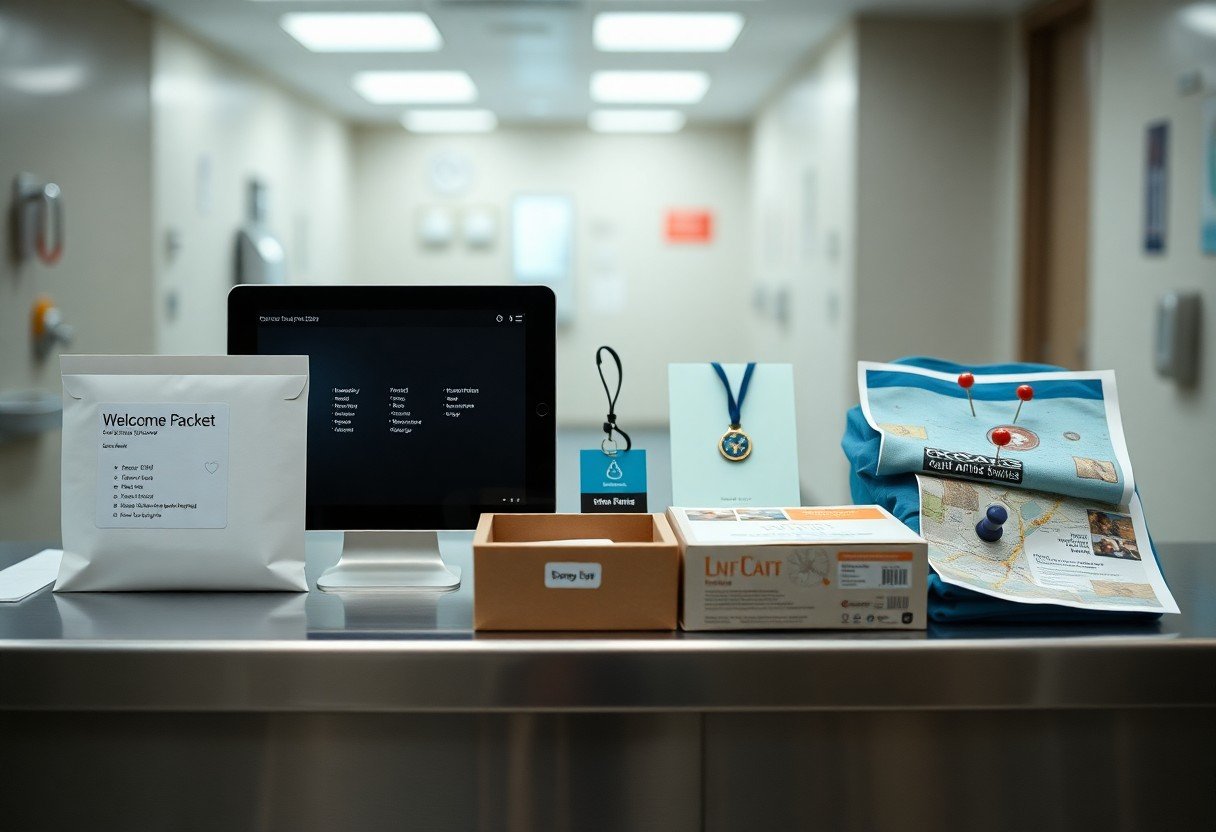
Clinical Onboarding and Community Networking
Clinical onboarding should align credentialing, EMR access, and orientation so you begin patient care confidently while meeting local standards. Simultaneously, community networking introduces you to referral sources and support services that reduce isolation and accelerate practice integration.
Streamlining Administrative Integration and Protocols
You should standardize credentialing checklists, EHR templates, and billing setups to reduce delays and prevent claim denials, while creating clear escalation paths so your staff can resolve administrative issues quickly.
Establishing Local Professional Referral Networks
Build a targeted referral map, meet specialists, and set referral criteria so you can exchange cases reliably and ensure timely patient handoffs that protect continuity of care.
Connect directly with practice managers, hospitalists, and allied therapists to present your services, share standardized referral forms, and define turnaround expectations so referrals are routed efficiently. You should set up e-consult options, reciprocal referral agreements, and quarterly reviews to measure volume and quality, then adjust outreach to sustain consistent case flow.
Final Words
Upon reflecting you should follow the seven steps: clarify timeline, confirm licensure, align staffing, secure housing, transfer equipment, plan patient handoffs, and schedule orientation so you reduce downtime, maintain care continuity, and resume practice efficiently.