Tips for relocating for a new medical job can significantly ease your transition. Whether you’re moving across town or across the country, planning ahead is key to ensuring a smooth move. From researching your new city to organizing your belongings, each step plays a vital role in helping you settle into your new position with less stress. In this guide, we’ll provide you with practical advice and insights tailored to your unique situation, so you can focus on what really matters—your new medical career.
Researching Your New Location
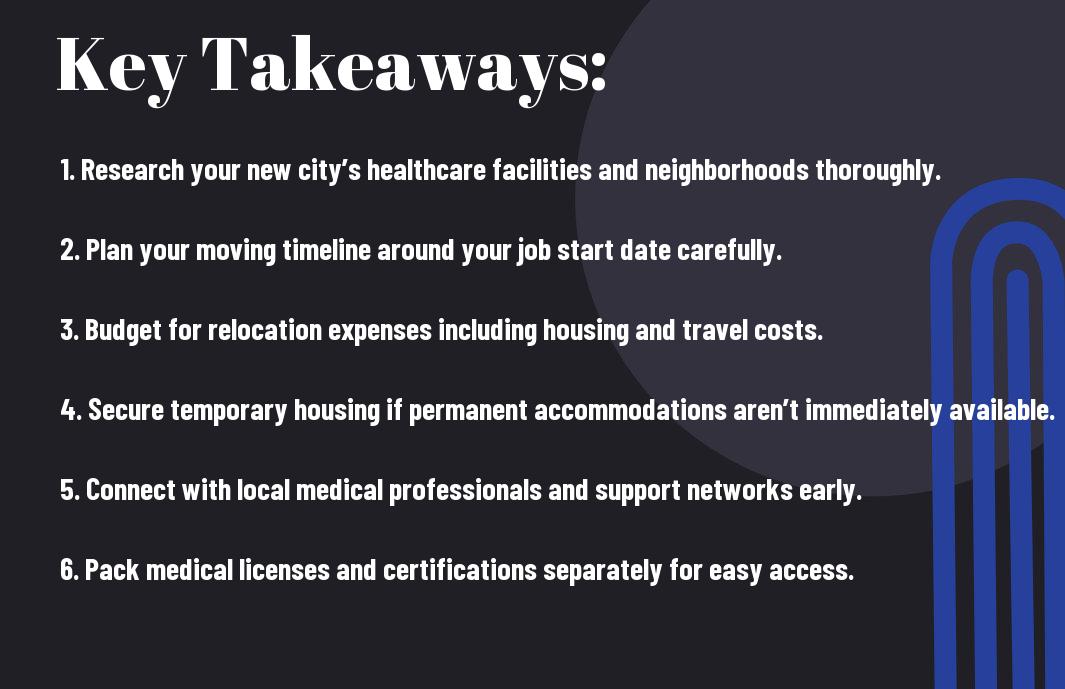
To ensure a smooth relocation for your new medical job, you need to research your new location thoroughly. Look into the local climate, amenities, and community culture, as these factors can significantly impact your quality of life. Obtaining insights on transportation options, schools, and recreational activities can also aid in your transition. Understanding the new environment will help you adjust quickly and feel at home.
Healthcare Landscape
Around your new location, investigate the healthcare landscape, including the types of facilities, specialties available, and workforce dynamics. Understanding the demand for various services and specialties will be vital to gauge career prospects and professional opportunities. Connect with local medical communities or associations to gain insights into the region’s healthcare challenges and strengths, which could shape your practice.
Cost of Living Considerations
Any decision to relocate should include careful consideration of the cost of living in your new area. This includes housing prices, utilities, transportation, and everyday expenses. A clear understanding of these aspects will help you budget effectively and ensure you can maintain your desired lifestyle while pursuing your career.
But it’s important to analyze your potential salary in relation to the cost of living. Some areas may offer higher wages but come with increased living expenses, while others might provide lower salaries but more affordable housing and day-to-day costs. It’s wise to develop a comprehensive financial plan that takes into account your specific situation, factoring in your earnings and expected expenses so that you can enjoy a comfortable lifestyle in your new home.
Preparing for the Move
There’s a lot to consider when preparing for your relocation for a new medical job. Start early by creating a moving checklist that outlines everything from packing your belongings to transitioning your medical license. This will help ensure that no detail is overlooked, allowing you to focus on your new opportunity rather than last-minute chaos.
Organizing Important Documents
Above all, it’s vital to keep your important documents organized during your move. Gather your medical licenses, certifications, and any other relevant paperwork in a designated folder or digital format. This way, you’ll have everything easily accessible when it’s time to finalize your new position or enroll your family in new schools.
Finding a Moving Company
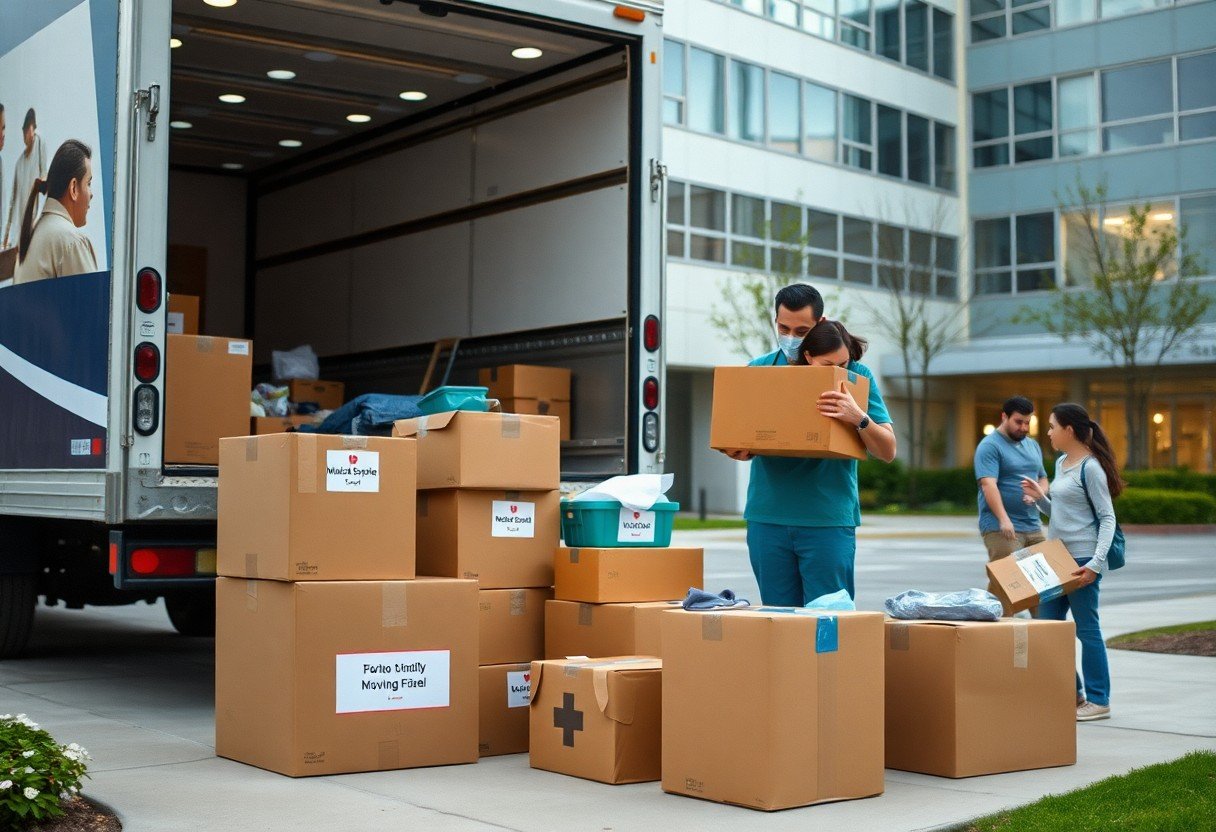
Finding the right moving company can greatly ease the burden of your relocation. Take the time to research options in your area, read reviews, and obtain quotes from multiple services. Look for companies with experience in relocating professionals, as they can offer tailored services to meet your specific needs.
In addition, inquire about their insurance policies and what measures they take to protect your belongings during transit. Asking about their experience with moving specialty items, like medical equipment, may also be beneficial. A solid moving company will work with you to create a customized plan that fits your schedule and budget, ensuring a smooth transition to your new location.
Settling Into Your New Job
Many professionals find the transition to a new medical position both exciting and challenging. To ensure a smooth adjustment, familiarize yourself with your responsibilities and the expectations of your role. Take the time to communicate with your supervisor and coworkers about their priorities and workflows. Embrace a proactive approach by asking questions and seeking feedback, which can ease the transition and build confidence as you start contributing to the team.
Understanding Workplace Culture
An necessary part of settling into your new role is understanding the workplace culture. Each organization has its unique values, traditions, and informal norms, which can significantly impact your daily interactions and professional growth. Observe your colleagues and their communication styles, and pay attention to how decisions are made and the level of formality within the environment.
Networking and Building Relationships
Below, establishing a solid professional network is vital for your development and success in your new role. Building relationships with colleagues not only eases your transition but also opens doors for collaboration and mentorship opportunities.
Due to the often collaborative nature of medical environments, forming connections can be instrumental in enhancing your knowledge and practice. Attend social and team-building events or engage in community outreach programs to meet your coworkers outside of work. Approach your interactions with genuine curiosity and openness, which will foster trust and camaraderie. Additionally, consider reaching out to professionals in your field through social media platforms, and seek opportunities to join relevant groups or associations, as these connections can provide valuable support as you navigate your new position.
Transitioning Your Healthcare Licenses
Now that you’ve accepted your new medical position, it’s important to navigate the process of transitioning your healthcare licenses efficiently. Each state has its own requirements for licensure, so be sure to familiarize yourself with the regulations in your new location. This will help you avoid any unnecessary delays and ensure that you are ready to start your new role without any interruptions.
Necessary Credentials
Around the time you prepare for your move, gather all necessary credentials, including your medical school diploma, residency completion certificates, and proof of any continuing education credits. Check with your state’s licensing board to confirm additional documentation required, as this can vary significantly. Having everything organized will simplify the application process and can make a positive impression on future employers.
Timeline for Licensure
Along with gathering your credentials, it’s important to establish a timeline for obtaining your new licensure. Make sure to start early, as the application process can take several weeks to months, depending on your profession and the state you’re moving to.
Plus, if you anticipate any unexpected delays, initially planning for a longer timeline can help alleviate pressure. Factor in time for background checks, verification of your education and training, and any state-specific exams you might need to take. Keeping a close eye on deadlines and maintaining open communication with the licensing board can further streamline your transition. Being proactive will allow you to focus on your new job without the burden of unresolved licensing issues.
Personalizing Your New Home
Keep in mind that personalizing your new space is crucial for creating a comfortable atmosphere. Incorporating your unique style through decor will not only make your house feel like home but also help you relax after a long day at work. Tailor each room to reflect your interests and make connections with your new environment.
Decor and Comfort
On your journey to personalization, consider the balance between aesthetics and comfort. Choose furnishings that suit your style while also providing functionality. Soft textiles, cozy seating, and warm lighting can significantly elevate your space, making it a sanctuary where you can unwind and recharge.
Getting to Know Your Neighborhood
By exploring your new neighborhood, you’ll not only become familiar with crucial services but also discover hidden gems that make your area unique. Engaging with your community can help you settle in faster, establishing a routine that allows you to feel at home.
For instance, take leisurely strolls around your new area to find local coffee shops, parks, and shops that pique your interest. Joining community events or groups can be an excellent way to make new friends and build connections. You may even discover nearby hiking trails or fitness classes that align with your lifestyle, enhancing your overall living experience. Immersing yourself in your surroundings will foster a sense of belonging, helping to ease any feelings of homesickness or isolation while you adapt to your new role and environment.
Managing Stress During the Move
Once again, moving can be a significant source of stress, especially when transitioning for a new medical job. It’s vital to recognize your feelings and find strategies to cope effectively. By focusing on organized planning and prioritizing your emotional well-being, you can ease anxiety and approach the move more calmly.
Planning and Preparation
Beside understanding the logistics of your move, detailed planning can significantly reduce your stress levels. Create a moving checklist, set timelines for packing, and arrange for professional help if needed. Being organized will allow you to manage your time effectively and focus on other vitals, like settling into your new role.
Self-Care Strategies
Around the hustle and bustle of moving, it’s vital to incorporate self-care into your routine. Engage in activities that promote relaxation, such as exercise, meditation, or simply taking breaks to enjoy your favorite hobbies. Balancing your moving tasks with self-care will help mitigate stress and maintain your emotional well-being.
Considering the impact of self-care on your mental health during a move, it’s vital to carve out time for yourself amidst the chaos. Simple practices like daily walks, deep breathing exercises, or enjoying a good book can significantly improve your mood and resilience. Prioritizing these moments will allow you to recharge and approach your move with a clearer perspective, which is vital as you launch on this new chapter in your medical career.
Summing up
Now that you’re considering relocating for a new medical job, it’s important to keep organization at the forefront of your plans. Begin by researching your new area, finding local amenities, and establishing a reliable support network. From updating your resume to securing housing, a thorough checklist can make your transition smooth and efficient. By planning ahead and staying adaptable, you can reduce stress and focus on excelling in your new position while settling into your new community. Embrace the opportunity that lies ahead, and make your move a rewarding experience.