
Just like any major life transition, relocating can be both exciting and overwhelming. To simplify your move, it’s imperative to understand the key do’s and don’ts that can make your experience smoother. Insights from doctor relocation experts provide you with valuable tips on how to plan effectively, minimize stress, and ensure a successful transition to your new community. In this post, you’ll discover practical advice tailored to your needs as you begin on this journey.
Understanding the Relocation Process
While relocating can be an exciting venture, it often brings a mix of challenges and opportunities. Understanding the relocation process is vital to ensure a smooth transition, particularly for healthcare professionals. You’ll want to familiarize yourself with every aspect of the process, including logistical arrangements, local regulations, and the nuances of settling into a new community. Engaging with relocation experts can provide insights that help you navigate this journey with more confidence and ease.
Key Considerations
Process begins with a thorough assessment of your needs and priorities. Consider factors such as the location of your new workplace, the proximity of schools and amenities, and the overall environment of the community you’ll be moving into. Additionally, understanding the financial implications of relocating can help you budget effectively and avoid unexpected expenses. Coordination with a relocation expert will offer specialized advice tailored to your individual circumstances, easing the burden of decision-making.
Timeline for Relocation
With every move comes the necessity of a well-structured timeline. Establishing a timeline for relocation helps ensure that no detail is overlooked during the transition. Start by determining your move date and work backward, listing all tasks that need to be completed, such as packing, notifying your current employer, and arranging for utilities at your new location. Consistency in following your timeline can significantly ease the relocation process.
Due to the complex nature of relocating, it’s beneficial to allow yourself ample time to manage each aspect of the move effectively. For instance, securing housing, transferring medical licenses, and aligning your family’s needs can take more time than initially anticipated. Aim to finalize logistics at least a couple of months in advance, as this will give you a buffer to tackle any unforeseen challenges as they arise, ultimately leading to a smoother transition and helping you to settle into your new position more comfortably.

The Do’s of Relocating
Assuming you’re considering a move, there are several do’s that can significantly ease your transition. Proper planning and foresight can mitigate a lot of the challenges associated with moving, especially when you are relocating for work. From understanding the new environment to ensuring you are financially prepared, these practices will help you settle in with minimal stress.
Research Your New Location
To begin your relocation journey, it’s important to gather information about your new area. Explore local amenities, schools, hospitals, and transportation options to get a sense of what life will be like. Knowing the neighborhood can greatly assist in making a well-informed decision that best fits your lifestyle and needs. Don’t hesitate to reach out to locals through online forums or social media to gain insider information that may not be readily available via search engines.
Prepare Financially
After acquiring knowledge about your new locale, the next step is to make sure you are financially prepared for the move. Assess the cost of living in your prospective area and identify any changes that might affect your budget. This could include higher housing prices, utility costs, and daily expenses. Setting a realistic budget not only helps you plan for initial moving costs but also allows you to adjust your financial responsibilities according to your new environment.
Another aspect to consider in your financial preparations is the potential for unexpected expenses during the moving process. It’s wise to leave room in your budget for actions such as hiring a moving company, purchasing new furniture, or covering temporary living arrangements if needed. Having a clear financial plan can alleviate stress and help you focus on making your transition smoother, allowing you to embrace your new opportunities wholeheartedly.

Don’ts of Relocating
Avoid Last-Minute Decisions
Not planning ahead can lead to chaos during your relocation. As the moving day approaches, it’s easy to feel overwhelmed and resort to hasty decisions. This can involve anything from choosing a moving company to packing items just hours before the truck arrives. Such last-minute choices often result in unnecessary stress and can ultimately affect the overall success of your move. You should set a timeline and stick to it, allowing yourself enough time to organize your tasks and make informed choices.
One effective strategy is to create a detailed checklist that outlines each stage of your relocation process. This way, you can prioritize tasks and allocate time efficiently. With a well-structured plan, you can also avoid costly mistakes, such as overlooking important paperwork or forgetting to cancel subscriptions linked to your old address.
Don’t Neglect Networking Opportunities
Any relocation is not just about the logistics but also about establishing yourself in a new community. Failing to actively seek out networking opportunities can hinder your professional integration and leave you feeling isolated in your new environment. Once you arrive, it’s necessary to engage with local medical professionals, colleagues, and community resources that can aid your transition.
At the same time, consider utilizing social media and professional platforms like LinkedIn to connect with peers in your field. Attend local networking events, join online groups, or participate in professional organizations relevant to your specialty. Building these connections can provide you with valuable support, resources, and potential career opportunities as you settle into your new location, ultimately enhancing your overall experience.
Essential Resources for Relocation
To ensure a smooth transition during your relocation, having access to imperative resources can make all the difference. These resources can provide you with the support and information needed to navigate the challenges of moving to a new area. By leveraging professional services and local community features, you can set yourself up for a successful start in your new environment.
Professional Relocation Services
Behind every successful move is an efficient plan, and professional relocation services are designed to assist you in this planning process. These experts have specialized knowledge and experience that can help you manage logistics, find suitable housing, and handle the necessary paperwork. When you utilize these services, you can benefit from a wealth of resources that streamline your relocation experience, making it less stressful and more organized.
Local Community Resources
Above and beyond personal logistics, exploring into local community resources helps you establish a sense of belonging in your new area. These resources can range from local schools and healthcare facilities to social clubs and recreational activities. By engaging with these options, you not only make your new city feel more like home but also gain valuable connections that can facilitate your adjustment.
Resources like community centers, local libraries, and neighborhood associations can offer insights into your new surroundings and provide activities that cater to your interests. Networking events and local meetups can introduce you to others in your field or local residents who share similar hobbies, creating opportunities to form friendships and professional connections. By actively utilizing local community resources, you can create a supportive environment that enriches your overall experience after relocating.
Common Mistakes to Avoid
Once again, the path to a successful relocation is paved with careful planning and consideration. Many individuals and families inadvertently fall into traps that could have been avoided. By understanding and steering clear of these common pitfalls, you can ensure a smoother transition to your new environment, especially when it comes to tackling the move in a way that meets the needs of everyone involved.
Underestimating Moving Costs
Avoid the mistake of assuming that moving costs will be straightforward. Many factors contribute to the total expense, including packing materials, transportation, storage, and even potential delays. Often, feelings of excitement about a new opportunity can cloud your judgment regarding budgeting. Instead, create a detailed breakdown of all anticipated expenses to avoid financial strain later on.
Ignoring Family Needs
The importance of considering your family’s needs during a relocation cannot be overstated. Every member of your household will be affected by this transition, and their unique perspectives and requirements should guide your planning. Ignoring these aspects can lead to frustrations and discontent as everyone adjusts to new living arrangements, schools, or healthcare facilities.
For instance, if you have children, their satisfaction with the new school or community can significantly influence their adjustment. Including them in the decision-making process, exploring neighborhood amenities together, and evaluating educational options can help ease their transition. Likewise, involving your partner in discussions regarding proximity to work and available healthcare options ensures that everyone’s concerns are acknowledged, leading to a more harmonious move.
Tips from Doctor Relocation Experts
Keep in mind that relocating for a medical position can be a transformative experience, and it’s crucial to approach it with planning and intention. Here are a few tips from doctor relocation experts that can smooth your transition:
- Research your new location, focusing on housing, schools, and local culture.
- Connect with local healthcare professionals before your move to establish a network.
- Consider the logistics of the move, such as hiring a reputable moving company.
- Create a timeline to keep track of important tasks and deadlines.
- Utilize relocation services for assistance with paperwork and settling in.
Any move comes with its challenges, but being informed and prepared can make all the difference in your experience.
Personalized Guidance
About two-thirds of doctors relocating confess that they wish they had sought personalized guidance before their move. Working with relocation experts tailored specifically to healthcare professionals can help you navigate the complexities of a move while considering both your professional and personal needs. These experts often provide insightful resources and tools designed to streamline your transition process and alleviate the stress that often accompanies relocating.
Additionally, personalized guidance can help you customize your relocation plan to fit your lifestyle and career goals. This indication of individualized attention can make you feel not only supported but also empowered, equipping you with the necessary knowledge about your new city, potential job opportunities, and even the nuances of your new work environment.
Building a Support System
An effective support system can greatly enhance your relocation experience. As you adjust to your new setting, connecting with others through local professional networks, community groups, or even social media can provide invaluable resources and emotional support. Your colleagues and neighbors can become key contributors to your journey, offering insights that make settling in more manageable.
The process of building a support system doesn’t have to be overwhelming. Start by joining local medical associations and attending events where you can meet like-minded professionals. Engaging in community activities or groups related to your interests can also help you forge new friendships and create a sense of belonging in your new environment. Any effort you put into establishing these connections will pay off in building a satisfying professional and personal life in a new location.
To Wrap Up
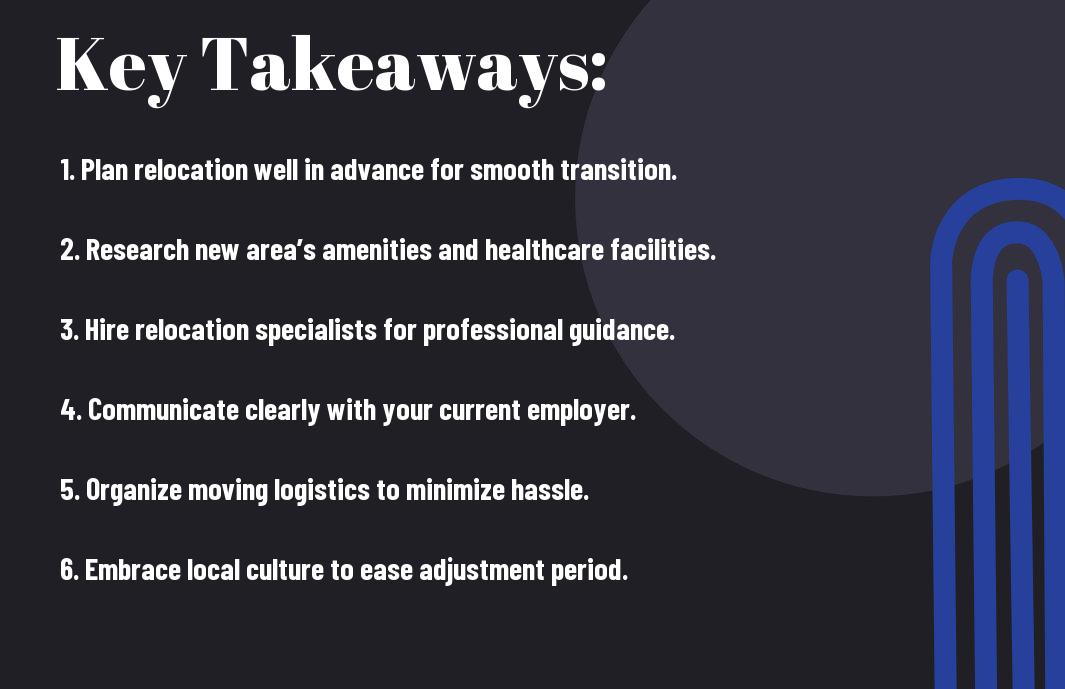
To wrap up, the process of relocating can often seem overwhelming, but applying the insights from doctor relocation experts can significantly streamline your journey. As you plan your move, prioritize clear communication with your moving team, whether you’re enlisting professional help or doing it yourself. Create a detailed checklist that includes everything from household supplies to the necessary paperwork, ensuring you have all your bases covered. By being organized and proactive, you can ease the transition into your new environment, making it more manageable and less stressful.
Additionally, consider the impact of the move on your personal and professional life. You are not just relocating your belongings; you are also transitioning into a new community and potentially a new workplace. Invest time in researching your new area and acclimating yourself to your surroundings by connecting with local professionals and resources. Ultimately, a strategic approach to relocating will help you settle in quickly, allowing you to focus on your career and personal growth in your new location.